On This Page ⌄
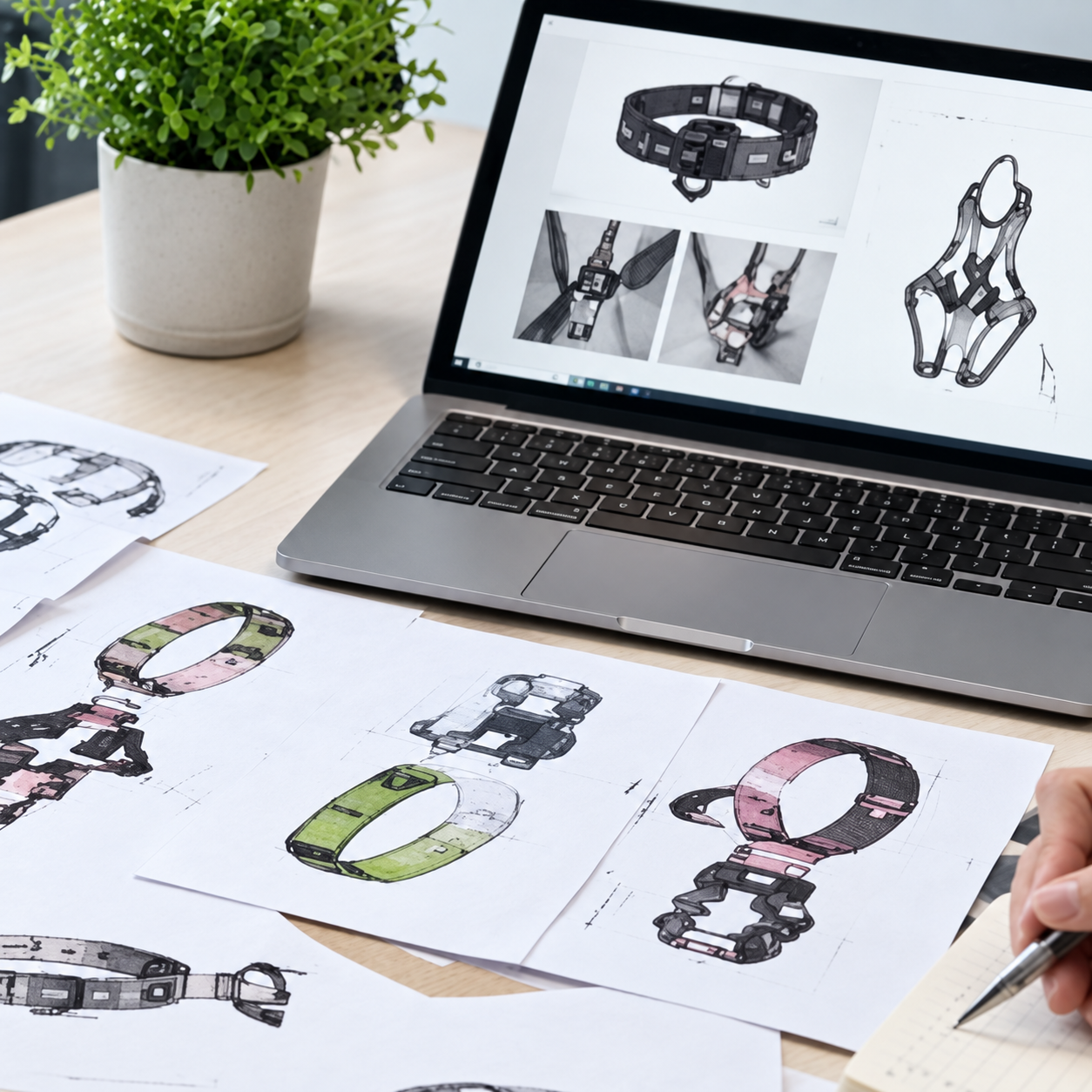
Custom pet collars and harnesses often look straightforward when viewed in a catalogue. A buyer selects a color, adds a logo and approves the sample. The production process is usually more detailed than that. Webbing thickness, lining material, adjustment range, buckle strength and stitching position can all affect how the finished product performs. Even the packaging may change how the product looks when it reaches a retailer or customer. Most problems do not come from one major mistake. They come from several small details that were not confirmed clearly before production started. For buyers developing a private-label pet accessory range, the following eight checks are worth completing before approving a sample or placing a bulk order.
1. Confirm the Target Market and Product Position
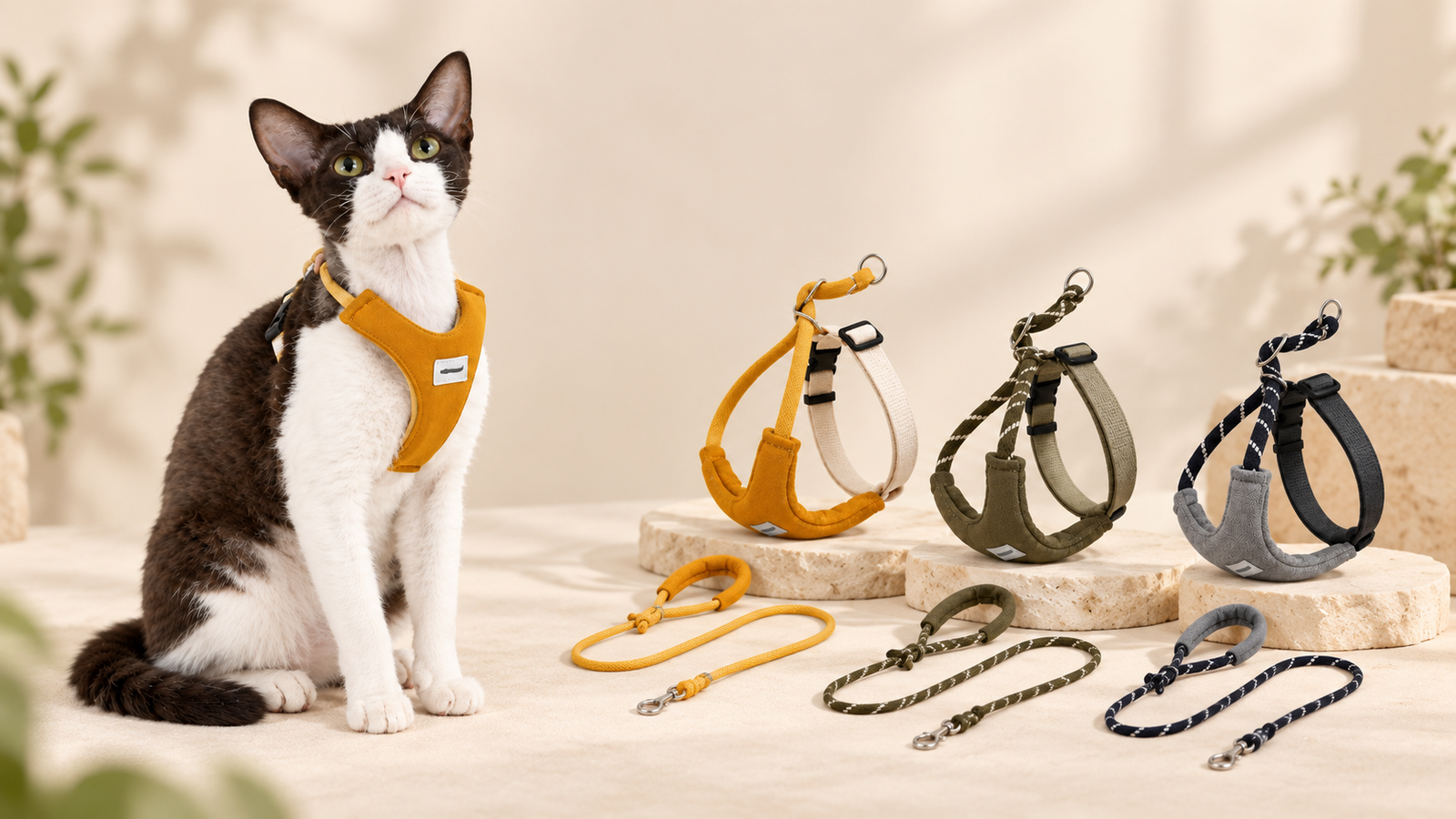
The first step is to decide how the product will be sold. A lightweight collar designed for everyday indoor use does not need the same construction as a tactical collar for large dogs. A basic harness for an entry-level online range will also have different requirements from a padded model intended for a specialist pet brand. The target retail price matters, but it should not be the only starting point. Buyers should also consider the type of customer, expected dog size, normal usage and sales channel. For example, a product sold through a physical pet store may need stronger retail packaging and clearer sizing information. A product sold online may need packaging that is more compact and better protected during parcel delivery. It is easier to select suitable materials and components once the intended position is clear. Without that information, suppliers may quote products that look similar but are built for very different markets.
2. Select the Right Webbing and Lining Materials
Webbing is one of the main structural parts of a collar, leash or harness. Nylon and polyester are both commonly used, but they can differ in surface feel, color performance, abrasion resistance and cost. The width alone does not tell the full story. Two pieces of 25 mm webbing may have different thicknesses, weaving density and breaking strength. Buyers should confirm the webbing material, width, thickness and expected strength. If a custom color is required, it is also important to confirm whether the color will be dyed, woven or printed. For padded products, check the lining separately. Neoprene, SBR, air mesh and soft fabric linings each provide a different balance of comfort, breathability, drying time and cost. A lining that feels soft on one sample may still cause problems if it absorbs too much water, has an unpleasant odor or separates from the webbing after repeated use. Material samples are useful before a complete product sample is made, especially when the project includes a custom color or printed pattern.
3. Confirm Sizes and Adjustment Ranges
Sizing is one of the most common sources of customer complaints in pet accessories. A size chart should show more than S, M and L. It should include the actual neck, chest or body adjustment range for each size. Buyers should also check how much of that range remains usable after the buckle, slider and stitching positions are included. The adjustment range should be tested on the physical sample. Measurements in a specification sheet do not always reflect how the finished product fits. For harnesses, the position of the neck opening, chest strap and back panel can change the fit even when the measurements appear correct. A design that works well for one body shape may not work equally well for another. The size label, packaging and online product information should all use the same measurements. If different charts are used during production and sales, returns become much more likely. Before approving the product, confirm the measurement method and keep an approved size chart as part of the order specification.
4. Check Buckles, D-Rings and Adjustment Hardware
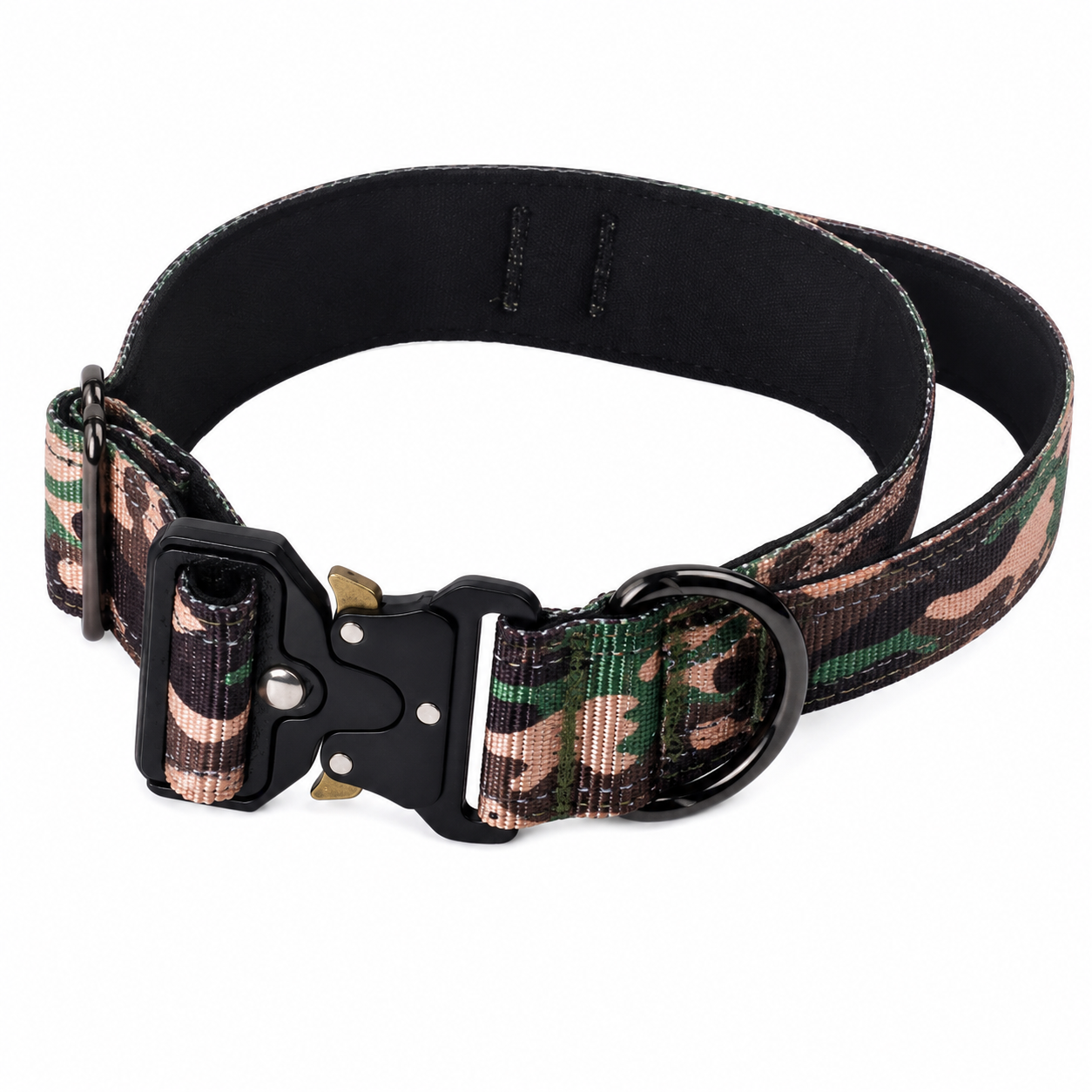
Hardware has a direct effect on both safety and user experience. Plastic buckles should open and close smoothly without feeling loose. Metal D-rings, O-rings and hooks should have a suitable finish and sufficient strength for the intended product. The component material should also be confirmed. Zinc alloy, stainless steel, aluminum and coated iron may look similar in photos, but their weight, corrosion resistance and cost are different. Adjustment sliders need attention as well. If the slider is too loose, the strap may gradually extend during use. If it is too tight, customers may find the product difficult to adjust. For illuminated or smart accessories, batteries, charging ports, switches and electronic housings create additional inspection points. Water resistance should be described accurately and supported by testing when applicable. A useful sample test includes repeated buckle operation, pulling the straps in different directions and checking whether the adjustment position remains stable.
5. Define Colors and Acceptable Tolerances
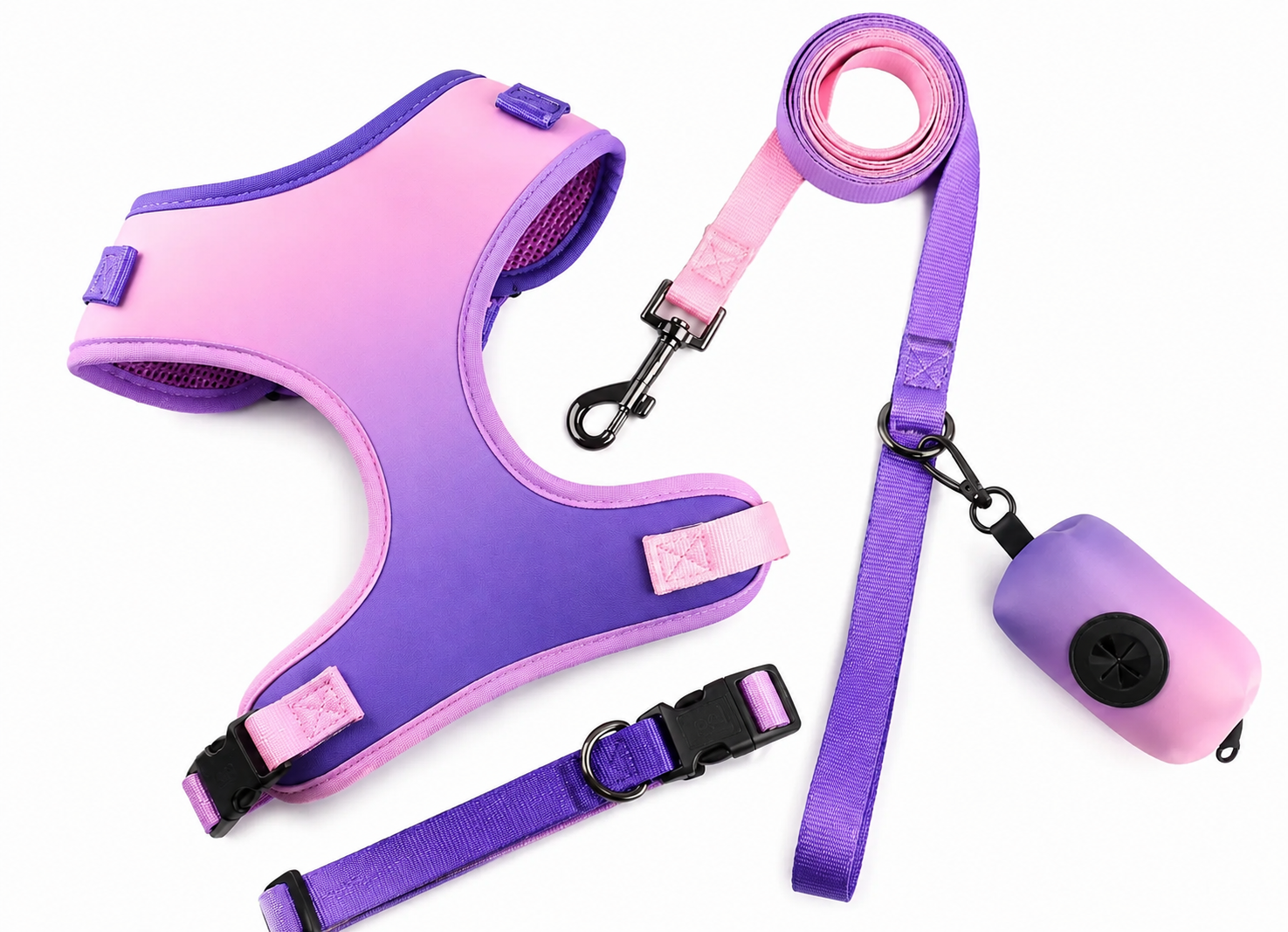
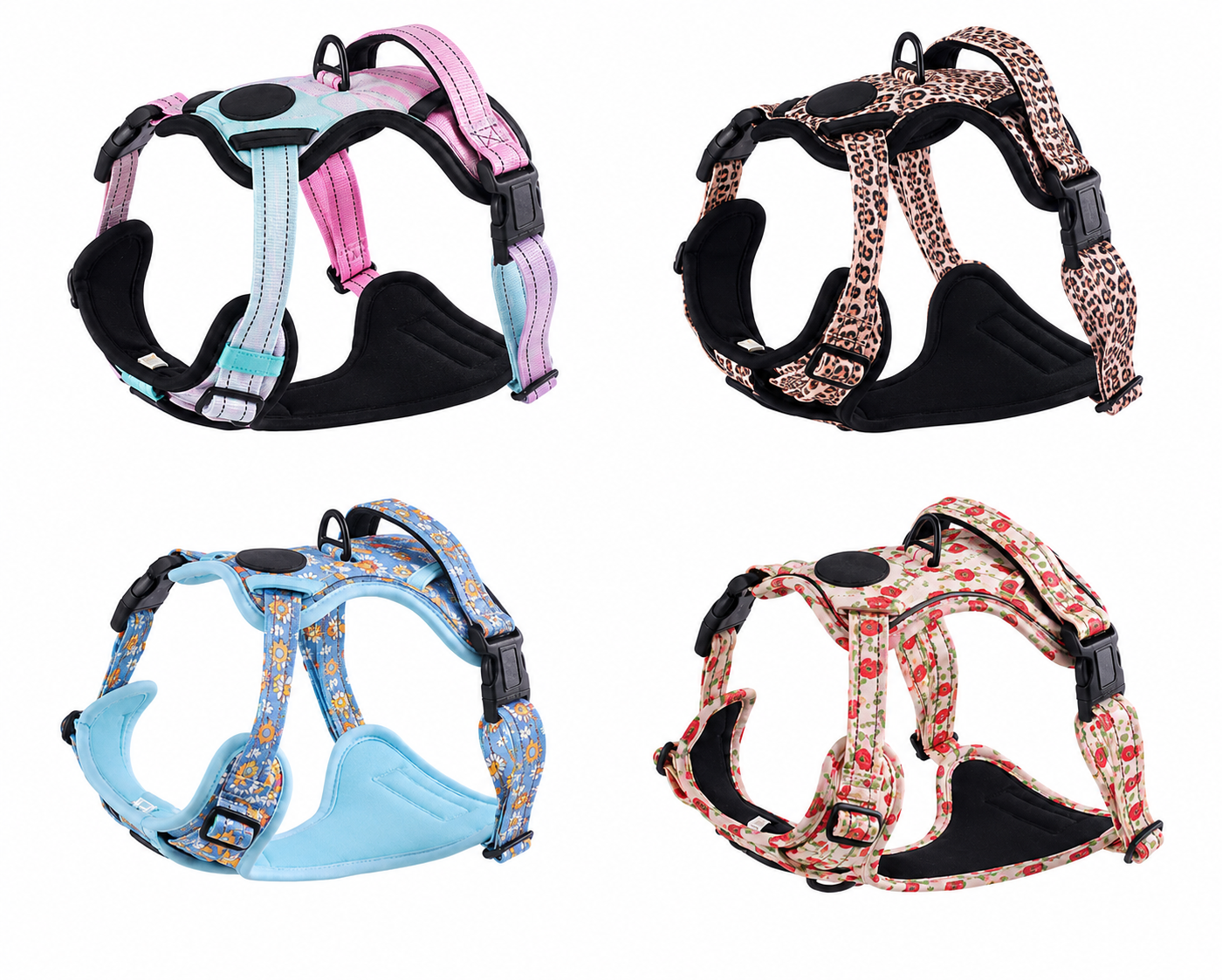
Color approval can become complicated when a product combines several materials. The webbing, mesh, plastic buckle, stitching thread, rubber logo and packaging may all respond differently to the same color reference. A perfect match across every component is not always practical. Buyers should provide a Pantone reference or an approved physical sample and then agree on an acceptable tolerance. Lighting also changes how color appears. Photos taken in a factory, office or studio may not show the same result. For important custom colors, reviewing a physical sample is safer than relying only on phone pictures. Printed webbing requires an additional check. The pattern scale, repeat position and color saturation should be confirmed before bulk production. Small changes in the print can become very visible across hundreds of finished pieces. Keep the approved sample and production color reference together. This gives the inspection team something clear to compare against later.
6. Choose the Correct Logo Method
There are several ways to add a brand logo to custom pet collars and harnesses. Common options include woven labels, printed logos, rubber patches, leather patches, metal nameplates, laser engraving and custom-molded buckles. The best method depends on the product structure, order quantity, target price and expected use. A printed logo may be suitable for a lightweight promotional product, while a woven label or rubber patch may provide better durability for regular outdoor use. Metal branding can create a more premium appearance, but it adds weight and may require a higher minimum order quantity. Logo position should be checked on every size. A patch that looks balanced on a large harness may appear too close to the stitching on a small size. Buyers should confirm the logo dimensions, color, position and application method on the sample. If a mold or printing plate is required, confirm its cost and ownership before production. Examples of different construction and branding approaches can be reviewed in the pet accessories collection.
7. Confirm Packaging Before Sample Approval
Packaging is often discussed after the product has already been approved. That can create unnecessary delays. The packaging method may affect how the collar or harness is folded, how the straps are positioned and whether the product becomes creased during transport. Buyers should confirm whether the product will use a polybag, paper card, hanging box, color box or another retail format. Barcode position, warning labels, size stickers, manuals and country-specific information should also be decided. For e-commerce orders, the package needs to protect the product during individual delivery. For retail stores, display appearance and hanging strength may be more important. Packaging dimensions also affect carton quantity and freight cost. A slightly oversized retail card can reduce the number of units packed into each carton. It is worth producing one complete packaged sample before bulk production. This makes it possible to check the product, labels, folding method and customer presentation together.
8. Set Quality Standards Before Production
Sample approval should create a clear production standard. The approved sample should be supported by written specifications covering materials, measurements, colors, logo position, component requirements, packaging and inspection points. For custom pet collars and harnesses, inspections may include strap dimensions, stitching quality, buckle operation, metal finish, logo placement, size labels and packaging condition. Strength testing should match the type of product and its intended use. A small cat collar and a large-dog harness should not be evaluated using exactly the same standard. Appearance tolerances also need to be realistic. Minor differences may be acceptable, but the limit should be agreed before inspection rather than after the order is finished. One acceptable sample does not automatically guarantee consistent mass production. Production control is what determines whether the same result can be repeated across 500 or 1,000 pieces. Products such as a reflective padded dog collar and a three-buckle dog harness use different structures, so their inspection points should also be defined separately.
A Practical Approval Checklist
Before confirming production, buyers should have clear answers to the following questions: Who is the product designed for? Which materials and components will be used? What are the finished measurements and adjustment ranges? Which color reference has been approved? How will the logo be applied? What packaging and labeling are required? Which sample will be used as the production standard? What inspections or tests will be completed before shipment? If these points are recorded clearly, communication becomes easier for the buyer, supplier and inspection team. The goal is not to make the project unnecessarily complicated. It is to prevent avoidable decisions from being made after production has already started.
Final Thoughts
Developing custom pet collars and harnesses involves more than choosing a style and adding a logo. The finished result depends on how well the materials, sizes, components, colors, branding and packaging work together. Small issues are usually easy to correct during sample development. The same issues become more expensive once materials have been purchased and hundreds of units are in production. A clear approval process gives both the buyer and supplier a practical reference for production. It also makes final inspection more objective because the required standard has already been agreed. For brands planning a private-label pet accessory range, spending more time on these checks before production is usually more useful than comparing quotations alone.