On This Page ⌄

A pet carrier can look great in photos, but appearance alone does not tell you how it will perform once a pet is actually inside. When sourcing soft-sided pet carriers, I usually pay more attention to how the product performs under real use than how it looks in a lifestyle image.
1. Weight Support
One of the first things to check is the recommended pet weight. A carrier may keep its shape when empty but start to bend once a cat or small dog is inside. The bottom board, frame structure and connection points all affect how stable the carrier feels when being carried. For heavier pets, bottom support becomes especially important.

2. Usable Internal Space
External dimensions do not always tell the full story. Padding, curved sides and internal structure can reduce the actual usable space inside the carrier. The pet should have enough room to sit, turn around and rest comfortably without the carrier feeling oversized or unstable.

3. Ventilation
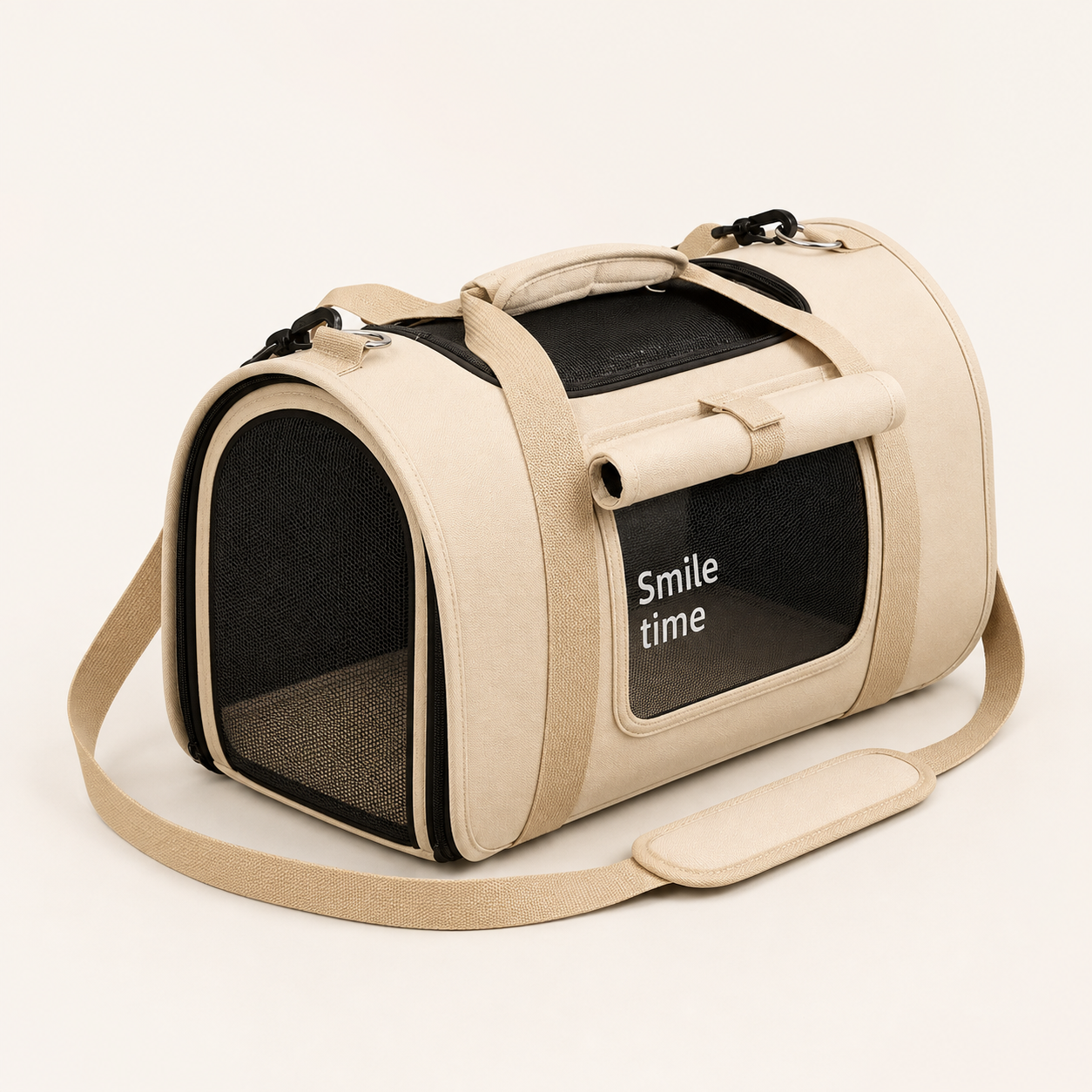
Mesh panels are common on pet carriers, but the amount and position of the mesh matter. Good airflow is especially important during longer trips or warmer weather. At the same time, the mesh needs to be strong enough to resist scratching and repeated use.
4. Zipper and Opening Design
The zipper may look like a small detail, but it can become an important safety point. Some pets may push against the opening from the inside, so zipper strength and locking design should be checked carefully. Top openings and side openings should also be easy for the owner to use without making it too easy for the pet to escape.
5. Handles, Straps and Stitching
Handles and shoulder straps carry most of the load during use. This means the stitching around these areas deserves more attention than many buyers initially expect. I normally check the main connection points, webbing strength and whether the load is distributed properly when the carrier is lifted.
6. Folding and Shape Recovery
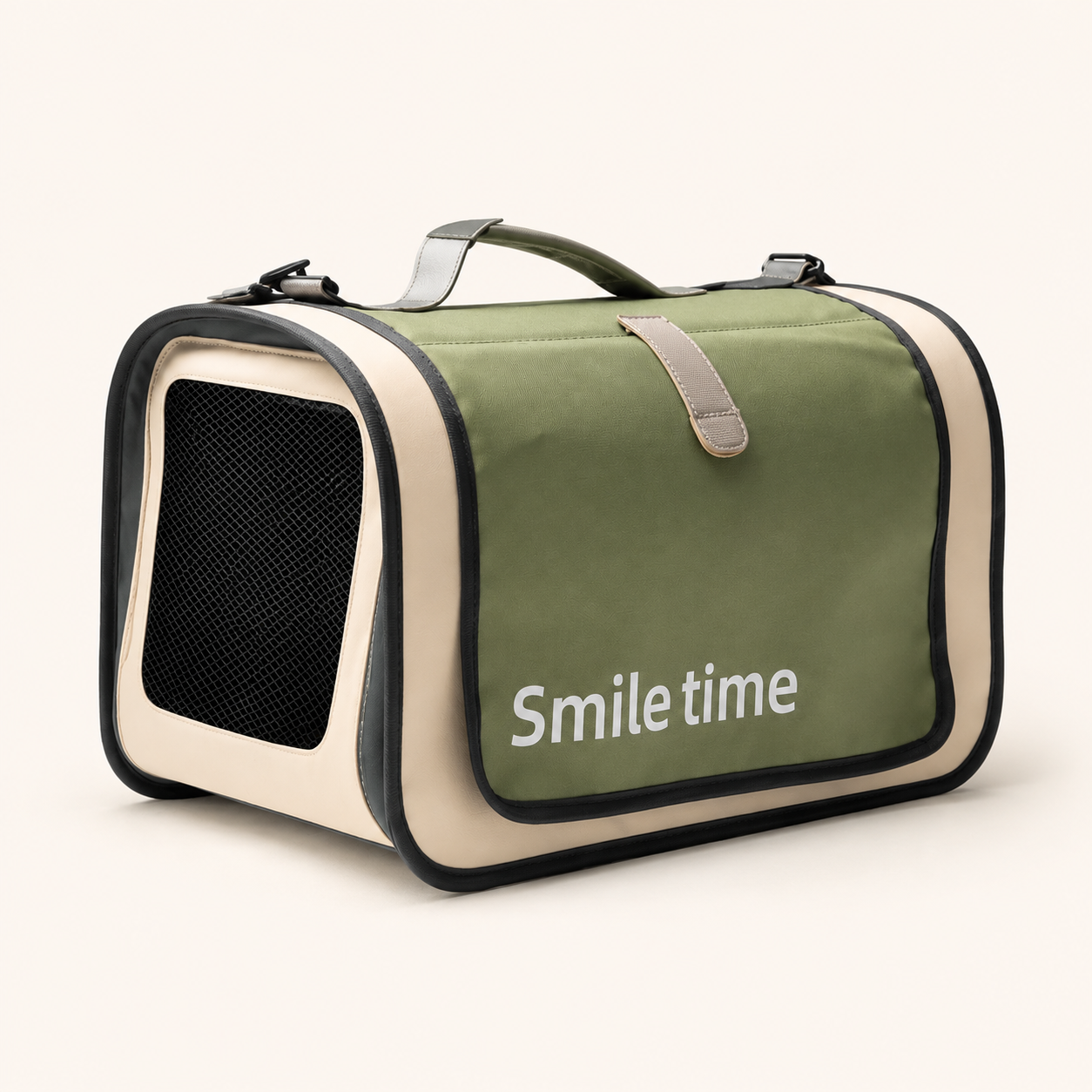
A foldable carrier can reduce storage space and shipping volume, which is useful for both importers and retailers. But after being packed for transportation, the carrier still needs to recover its shape properly. If the side panels remain collapsed or the structure becomes distorted after unpacking, the customer experience can be affected.
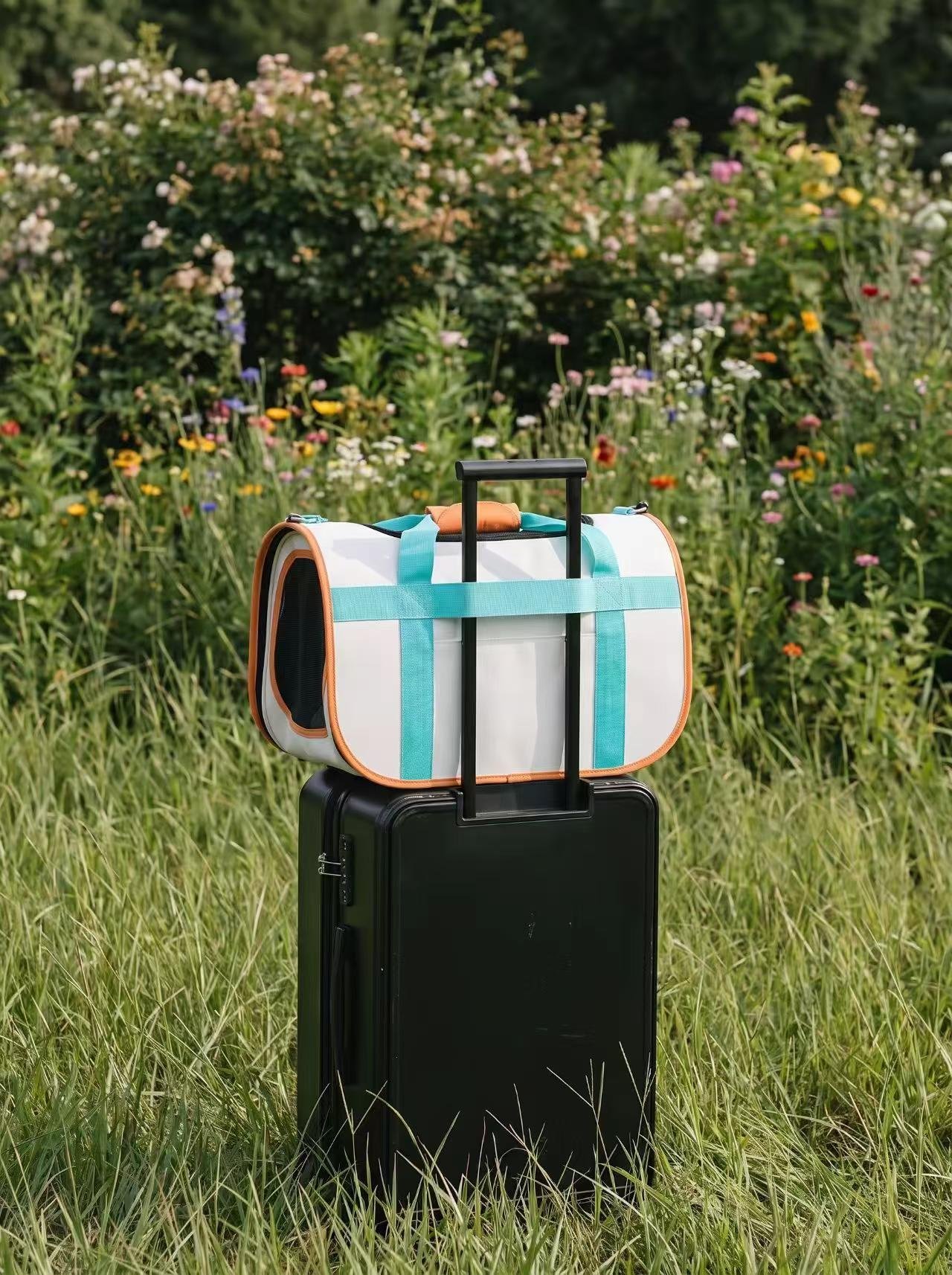
A Lifestyle Photo Is Only the Starting Point
Lifestyle images are useful for understanding how a product may look in use. But before selecting a model for retail or private label, it is still important to check the actual structure, materials, dimensions and load performance. A pet carrier does not need to be complicated. It simply needs to perform well in the details that customers use every day.