On This Page ⌄
Launching a pet supplement brand involves more than choosing a popular ingredient and designing an attractive label.
For pet brands, importers and distributors, the decisions made before production can influence product quality, manufacturing costs, customer acceptance and long-term business performance.
Whether you are developing your first private label pet supplement or expanding an existing product range, the following seven considerations can help you prepare for a more efficient manufacturing process.
1. Define Your Product Positioning Before Choosing a Formula
A successful product development project starts with a clear understanding of its intended market.
Common product development categories include:
- Joint and mobility support
- Skin and coat nutrition
- Digestive support
- Immune support
- Daily nutritional support
- Stress support
- Urinary health support
Rather than trying to combine as many ingredients as possible into one product, brands should establish a clear product purpose and identify the needs of their target customers.
The intended animal species, age group, body weight, retail price and target market should also be considered before formulation begins.
2. Understand the Difference Between Private Label and Custom Formulation
Existing formula with private label
An existing formulation may provide a more straightforward starting point for businesses entering the market. Customization can focus on packaging, branding and available product specifications.
Modified formulation
Brands may request adjustments to an existing formula, such as ingredient composition, flavor or serving size, subject to technical feasibility and regulatory requirements.
Custom formulation
A custom formula offers greater opportunities for product differentiation but may require additional development, testing and sampling.
The most suitable approach depends on the brand's budget, development timeline, order quantity and long-term product strategy.
3. Choose the Right Pet Supplement Dosage Form
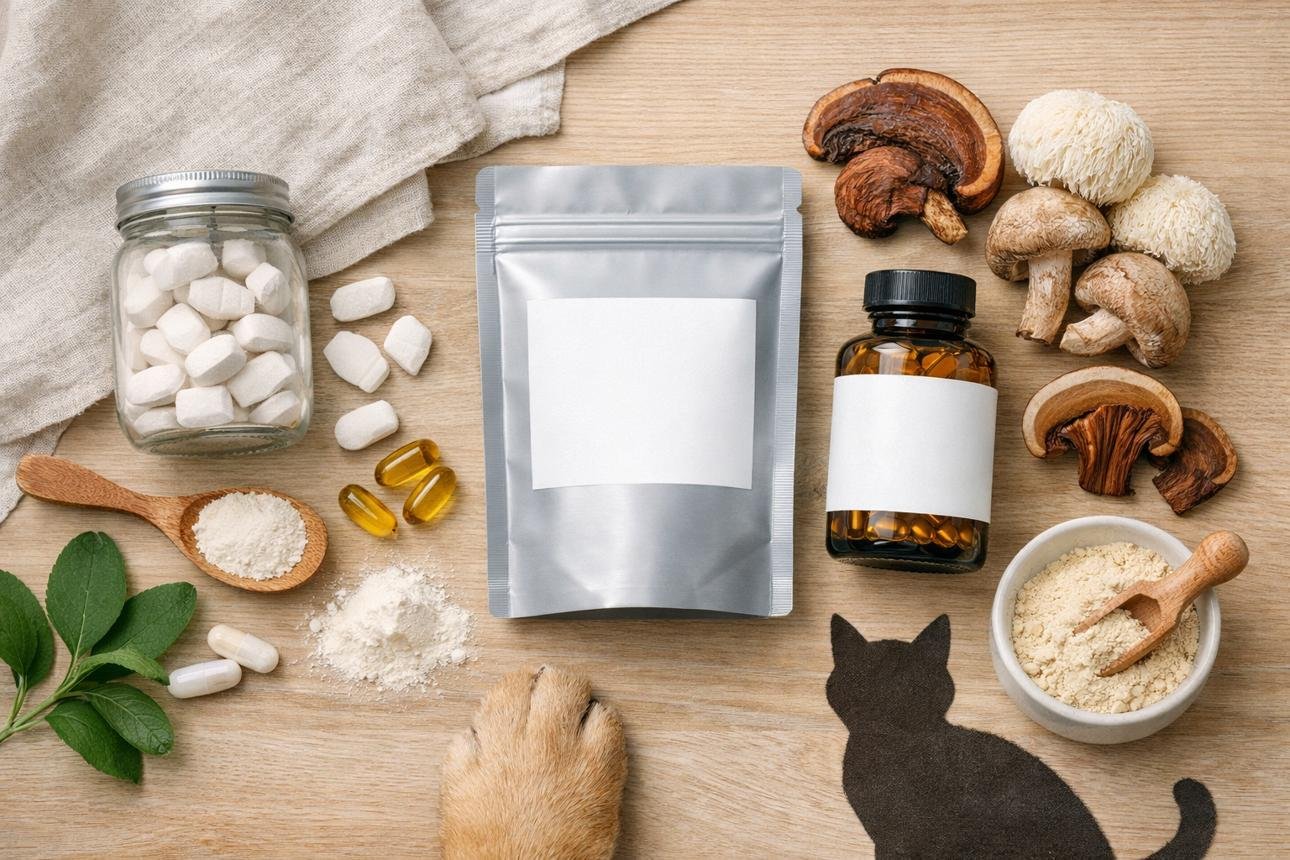
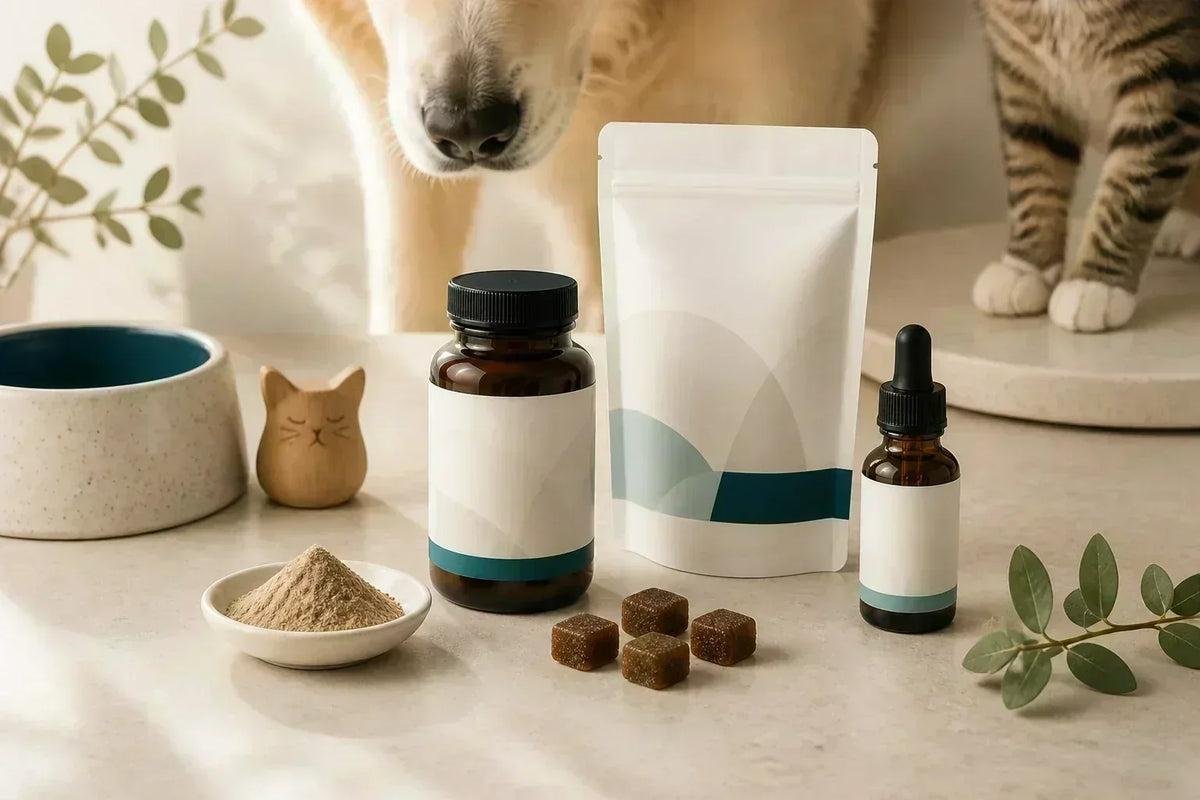
The delivery format affects more than product appearance. It can influence ingredient stability, feeding convenience, palatability, packaging requirements and manufacturing costs.
- Soft chews: texture, flavor and voluntary acceptance.
- Tablets: size, hardness and serving consistency.
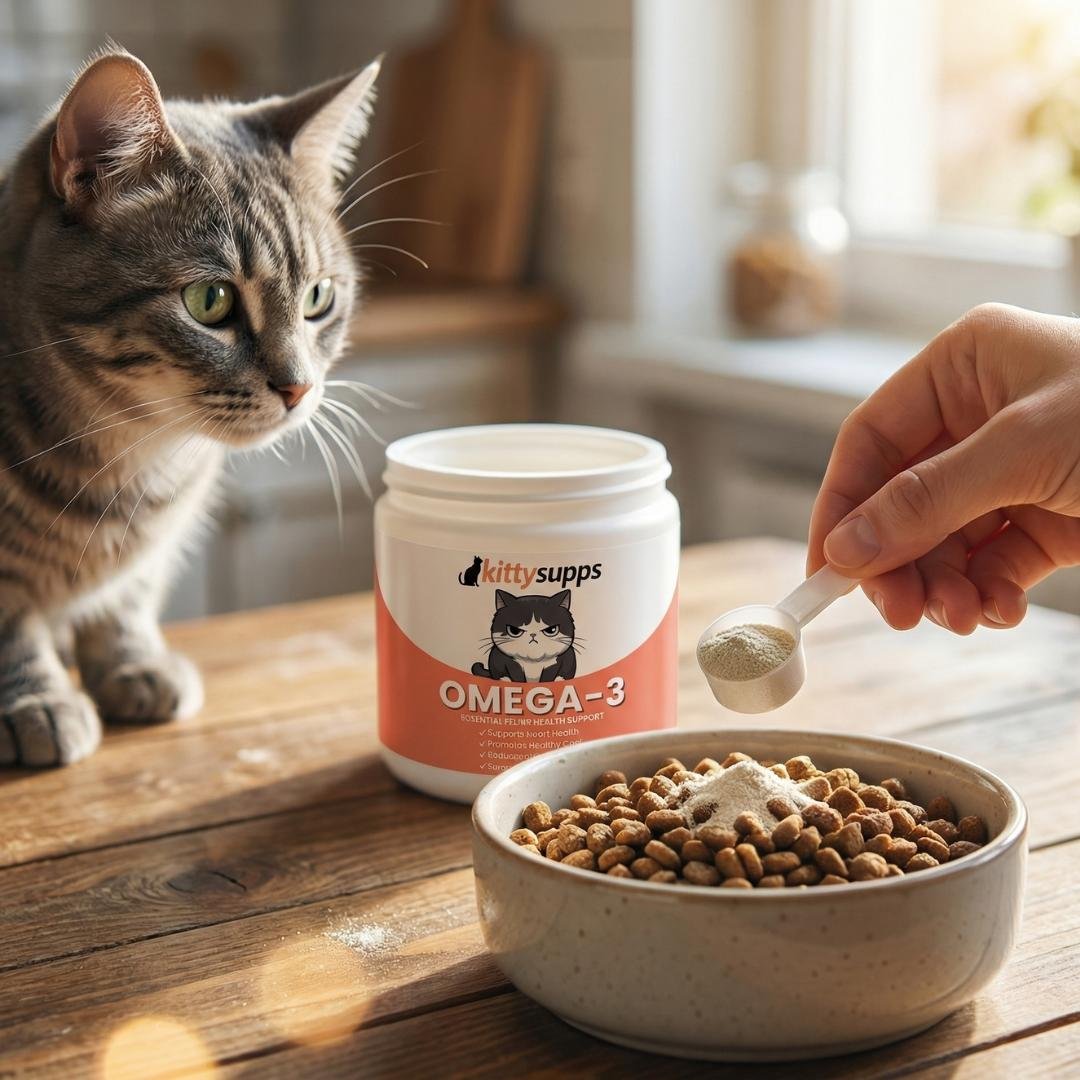
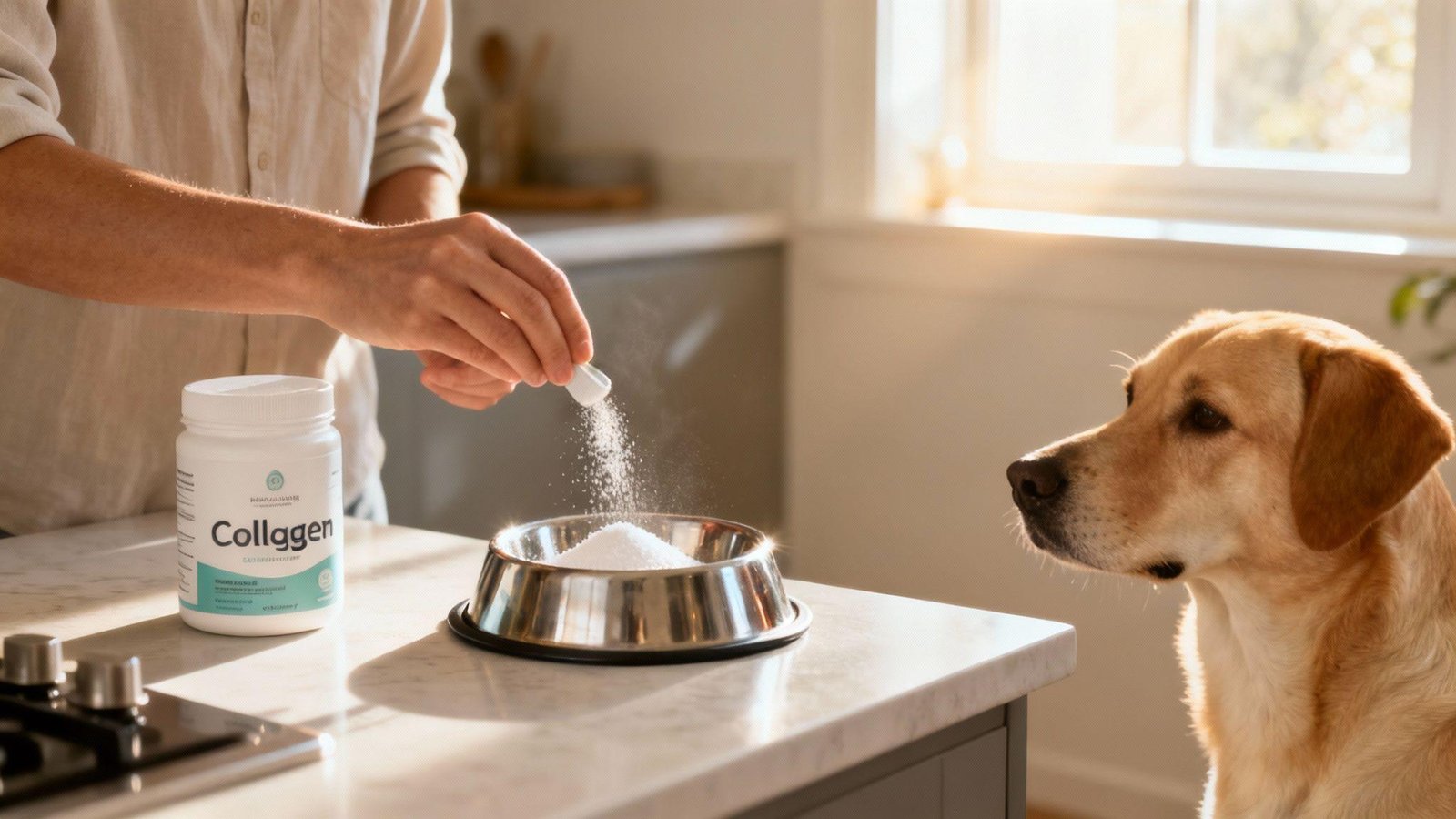
- Powders: mixing properties, moisture protection and measuring accuracy.
- Softgels: compatibility with oil-based formulations.
- Capsules: ingredient compatibility and administration method.
- Liquids and drops: stability, dispensing accuracy and container selection.
- Pastes: texture, dispensing convenience and packaging compatibility.
A format that works well for one formulation may not be suitable for another. For example, a powder intended to be mixed with daily food requires different development considerations from a soft chew designed for direct feeding.
Brands should evaluate the formulation and dosage form together rather than treating them as separate decisions.
4. Evaluate Palatability and Product Specifications
A carefully developed nutritional formula has limited practical value if pets consistently refuse to consume it.
Palatability should therefore be considered during the sampling stage, particularly for products intended for regular use.
Before approving a sample, buyers should evaluate:
- Flavor and aroma
- Texture and consistency
- Product size and individual weight
- Recommended serving instructions
- Ingredient content per serving
- Feeding convenience
- Suitability for the intended animal species
Dog and cat supplements should be evaluated separately. A formula or flavor developed for dogs should not automatically be considered suitable for cats.
Final specifications should be reviewed with appropriately qualified formulation professionals before production.
5. Review Manufacturing Quality and Testing Requirements
Product quality should be evaluated through documented specifications and appropriate testing rather than packaging appearance alone.
Depending on the formulation and target market, buyers may need to review:
- Raw material specifications
- Ingredient traceability
- Manufacturing process controls
- Microbiological testing
- Heavy metal and contaminant testing
- Ingredient content verification
- Stability and shelf-life evaluation
- Batch identification and traceability
- Finished-product inspection
A certificate of analysis (COA) can be an important part of product documentation, but buyers should also confirm which parameters have been tested and whether the results correspond to the relevant production batch.
Testing requirements should be established before the purchase order is finalized.
6. Confirm Packaging and Target Market Requirements
Private label packaging is an important part of product differentiation, but its primary role is to protect the product and communicate essential information.
Common packaging options may include bottles, jars, pouches, sachets and dispensing containers.
Before finalizing packaging, consider:
- Moisture and light protection
- Seal integrity
- Storage conditions
- Product quantity per package
- Ingredient information
- Feeding instructions
- Batch number and shelf-life information
- Label language and target market requirements
Regulatory requirements vary between markets.
For example, the United States does not apply its human dietary supplement regulatory framework to animal products in the same way. Product classification and marketing claims require careful review.
For European markets, applicable animal feed rules and labeling requirements should also be considered.
Brands should confirm product classification, ingredient suitability and permitted claims before approving packaging artwork.
Further regulatory information is available from the U.S. Food and Drug Administration and the European Commission.
7. Understand MOQ, Sampling and Total Project Cost
The minimum order quantity for private label pet supplements is influenced by several factors.
These may include formulation complexity, ingredient sourcing, production batch size, dosage form and packaging customization.
Buyers should also distinguish between the minimum production batch and the minimum quantity required for customized packaging.
When comparing manufacturing quotations, consider the total project cost rather than only the unit price.
A complete quotation may need to account for:
- Formula development
- Sample preparation
- Product testing
- Packaging and printing
- Finished-product manufacturing
- Quality inspection
- Export and logistics arrangements
Clarifying these costs early can help reduce unexpected expenses and delays during product development.
A Checklist Before Placing Your First Order
Before contacting a pet supplement OEM partner, prepare the following information:
- Target country or sales market
- Target animal species
- Intended nutritional support category
- Preferred ingredients or formulation direction
- Preferred dosage form
- Product specifications
- Packaging and branding requirements
- Estimated order quantity
- Required testing and documentation
- Expected launch schedule
A clear project brief allows manufacturing partners to evaluate feasibility and prepare a more relevant proposal.
Developing Your Private Label Pet Supplement
A sustainable pet supplement business starts with well-defined product requirements, suitable formulation, consistent quality and a realistic manufacturing strategy.
At Zhanzheng Pets, we support pet brands, importers and distributors with pet supplement OEM project coordination, formulation discussions, dosage form selection, private label packaging and manufacturing partner evaluation.
Each project is reviewed according to its formulation, specifications, order quantity and target market requirements.
Explore our Pet Supplement OEM Solutions to learn more about available product development and customization options.