On This Page ⌄
Cat supplements are drawing more attention as pet brands expand beyond dog-focused nutrition products. Recent launches include products positioned around digestion, hairball management and other everyday care interests. But a successful cat supplement cannot be developed simply by reducing the serving size of a dog formula.
Cats have different nutritional needs, eating preferences and responses to product texture. For brands, importers and distributors considering private label cat supplements, these differences influence ingredient selection, dosage form, quality control and product communication. This guide explores what to consider before developing a feline-specific range.
1. Why Are Cat Supplements Getting More Attention?
A November 2026 industry report covering a census of 195 pet supplement brands found that only 14% of the supplements reviewed were formulated exclusively for cats. When brands offered the same ingredient for both dogs and cats, the cat-specific version typically arrived later, with a median gap of five months. These findings describe the products in that research sample, not the entire global market.
Recent product launches also show greater attention to feline-specific formats. In September 2026, Native Pet introduced a cat supplement range that included probiotic, hairball, multivitamin, immune and calming products. Such launches demonstrate the range of concepts brands are exploring; they do not establish that every product category has proven clinical benefits or strong demand in every country.
For a new brand, the more useful question is not simply which category is growing, but whether a product addresses an identifiable customer need with an appropriate formula, credible evidence and a format cats will accept.
2. Cats Are Not Small Dogs: Start With Feline Nutrition
Species differences matter during product development. The Association of American Feed Control Officials (AAFCO) explains that cats and dogs have different nutrient requirements. For example, cats require dietary taurine and preformed vitamin A, while dogs have different nutritional capabilities. A feline formula therefore needs its own ingredient and serving assessment.
However, this does not mean every healthy cat needs extra taurine, vitamins or a daily supplement. Cornell University's College of Veterinary Medicine notes that a complete and balanced diet generally provides the nutrients a cat needs and that unnecessary supplements can cause harm. Brands should avoid describing routine supplementation as essential for all cats.
A sensible development brief should distinguish a supplement from a complete food and identify its intended role. It should also consider life stage, existing diet, ingredient suitability, possible excess intake and veterinary review. A dog formula should not be relabeled for cats without a species-specific safety and formulation assessment.
3. Which Cat Supplement Categories Are Worth Evaluating?
Several categories are visible in today's feline supplement market, including cat probiotics, hairball-related products, skin-and-coat products and age-related nutrition concepts. The existence of these categories does not mean any particular ingredient or finished formula has been proven to treat a disease.
Digestive products: A brand evaluating probiotics or prebiotics should ask for the exact microbial strain or ingredient identity, the declared amount, stability data and evidence relevant to cats. Claims about outcomes should be based on the finished product or directly applicable evidence rather than generic claims about probiotics.
Hairball and coat products: Consider the intended nutritional or feeding role, formula composition and consumer instructions. Hairball management can involve grooming, diet and veterinary assessment; a supplement should not be presented as a universal solution.
Senior-cat and everyday wellness products: These require particular care in defining the target customer and reviewing the evidence behind each ingredient. Persistent changes in appetite, mobility, litter-box habits or behavior should be evaluated by a veterinarian rather than treated as a routine supplement purchase.
For brands, a focused product concept with a clear purpose may be more useful than launching many loosely differentiated formulas at once.
4. Palatability and Product Format Can Shape Daily Use
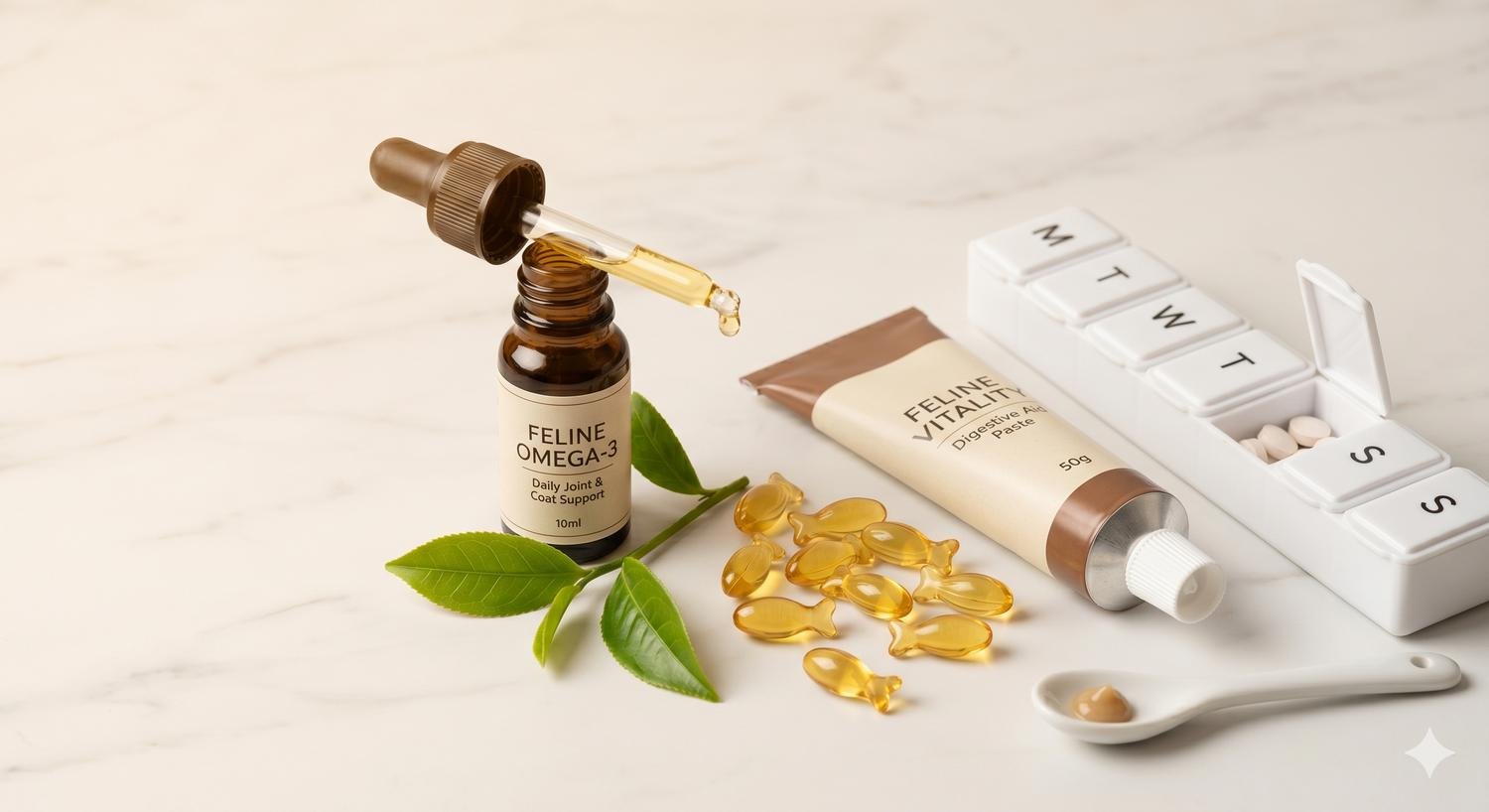
A product can have a carefully designed formula yet fail in practice if a cat refuses it. Odor, flavor, texture, portion size and feeding method all deserve attention during sample evaluation. Acceptance also varies between individual cats, so one informal trial cannot prove universal palatability.
Common formats for feline nutrition supplements include:
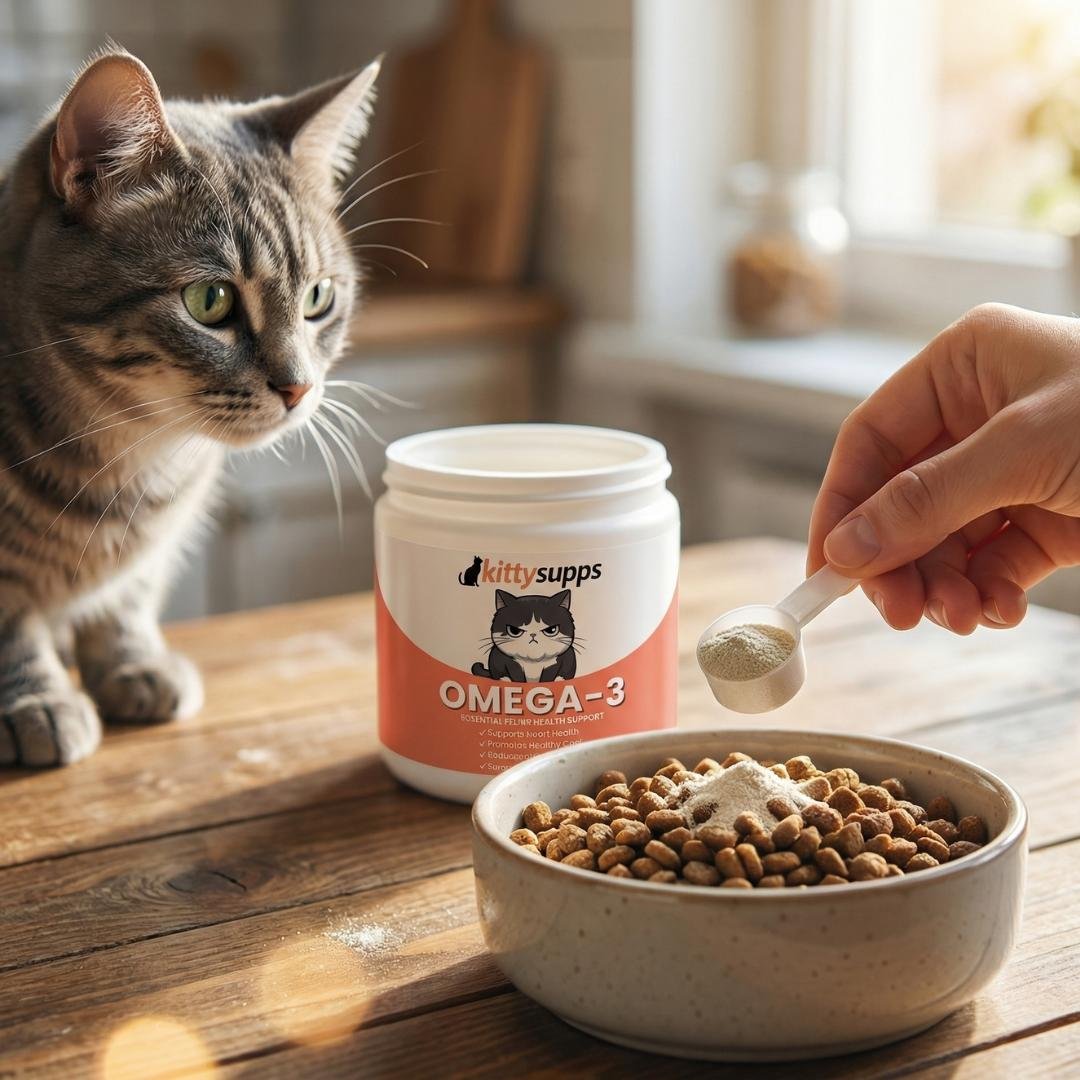
- Powders or meal toppers: Can be mixed with food, but aroma, texture, uniformity and measuring instructions need review.
- Soft chews or dual-texture treats: May fit a treat-based routine, but texture, palatability, moisture and storage stability matter.
- Liquids: Offer another serving format, although dispensing accuracy, container compatibility and microbial stability require evaluation.
- Tablets or small bites: Can simplify portion control but may be less convenient for cats that reject the format.
Before selecting a format, ask whether the intended portion is practical, whether it can be served consistently and whether the packaging protects the product throughout its stated shelf life. An attractive product photograph cannot replace these checks.
5. Ingredient Evidence, Quality Control and Claims
For cat supplement formulation, ingredient identity and evidence are as important as presentation. Research conducted in dogs or humans should not automatically be used to support the same benefit in cats. A manufacturer should be able to distinguish evidence about an individual ingredient from evidence about the proposed finished formula.
When comparing suppliers, request information covering:
- Ingredient origin, specifications and batch traceability.
- Appropriate microbiological and contaminant testing.
- Declared ingredient amounts and serving consistency.
- Stability and shelf-life testing for the chosen dosage form.
- Palatability assessment methods and sample limitations.
- Finished-product quality records and applicable market documentation.
Regulatory classification also deserves early attention. In the United States, the FDA does not recognize a separate human-style dietary supplement category for animal products; depending on their intended use, products may be regulated as animal food or as new animal drugs. Statements about curing, preventing or treating disease can create drug-related regulatory issues. Other markets have their own ingredient and labeling rules.
For this reason, brands should confirm proposed claims, ingredients and labeling requirements for the destination country before approving artwork or bulk production.
6. A Practical Private Label Cat Supplement Development Checklist
Before requesting a quotation from a cat supplement manufacturer, prepare a written brief that answers the following questions:
- Customer and market: Who is the product for, and where will it be sold?
- Product concept: What nutritional or everyday-use purpose is intended, without unsupported medical claims?
- Ingredients: Which materials, specifications and supporting evidence are required?
- Format: Is a powder, chew, liquid or tablet most practical for the target customer?
- Sample review: How will acceptance, portioning, stability and packaging be assessed?
- Quality documents: Which batch records, tests and traceability details will be available?
- Commercial terms: What are the sample costs, customization options, minimum order quantity and lead time?
Keeping these details consistent across supplier quotations makes it easier to compare the complete project instead of focusing only on unit price. If you are evaluating manufacturing options, our pet supplement OEM and private label services page outlines the types of development and sourcing discussions we support.
Frequently Asked Questions
Are cat supplements the same as dog supplements?
No. Cats and dogs have different nutritional needs, and ingredient suitability, serving amounts and product formats should be assessed for the intended species. A dog formula should not be adapted for cats without appropriate review.
Do all cats need daily supplements?
No. A complete and balanced diet usually supplies the essential nutrients a healthy cat needs. Owners should seek veterinary advice before adding supplements, particularly if a cat has a medical condition or already receives other products.
Which format is best for a private label cat supplement?
There is no single best format. Powders, chews, liquids and tablets offer different advantages and constraints. The choice should reflect ingredient stability, portion accuracy, acceptance and how the customer will use the product.
What should a brand ask a cat supplement supplier?
Ask for a clear formula specification, ingredient origin, relevant test reports, stability information, sample options, quality controls, available packaging customization and documentation suitable for the destination market.
Final Thoughts
Interest in cat supplements is creating room for more feline-specific product development, but market visibility alone is not enough to justify a launch. Brands need to understand feline nutrition, choose realistic product formats, evaluate evidence and secure consistent manufacturing quality.
The strongest starting point is a focused development brief, supported by qualified formulation and regulatory review. Zhanzheng Pets works with brands, importers and distributors on pet supplement sourcing and private label development discussions.
Sources and Further Reading
- PetfoodIndustry – Pet Supplements Trail Human Wellness Trends by Seven Years (November 18, 2026) (https://www.petfoodindustry.com/pet-supplements-pro/pet-supplements-and-treats-digest/news/16425222/report-pet-supplements-trail-human-wellness-trends-by-seven-years)
- PetfoodIndustry – Native Pet Launches First Cat Supplement Line (September 30, 2026) (https://www.petfoodindustry.com/pet-food-market/product-launches/news/15836058/native-pet-launches-first-cat-supplement-line)
- AAFCO – Selecting the Right Pet Food (https://aafco.org/consumers/understanding-pet-food/selecting-the-right-pet-food)
- Cornell Feline Health Center – Feeding Your Cat (https://www.vet.cornell.edu/departments-centers-and-institutes/cornell-feline-health-center/health-information/feline-health-topics/feeding-your-cat)
- FDA – Animal Foods and Feeds (https://www.fda.gov/animal-veterinary/products/animal-foods-feeds)
- FDA – Animal Food Labeling and Pet Food Claims (https://www.fda.gov/animal-veterinary/animal-foods-feeds/animal-food-labeling-and-pet-food-claims)
*This article provides general industry information, not veterinary or regulatory advice. Product ingredients, safety, claims and labeling should be reviewed by qualified professionals for the intended market.*