On This Page ⌄
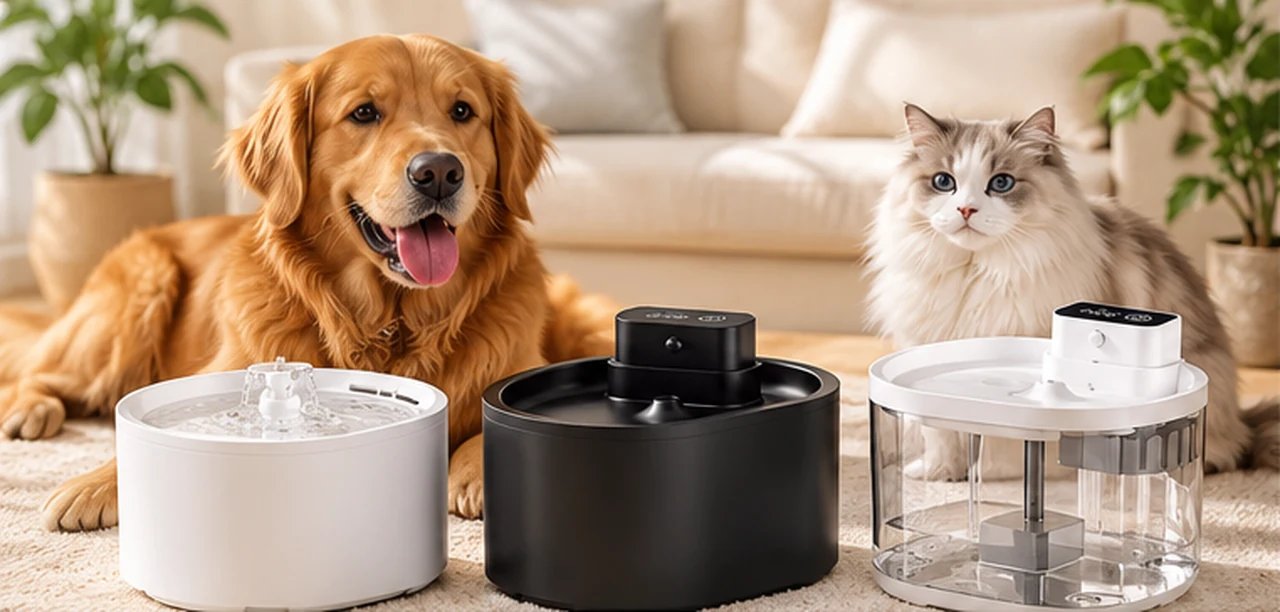
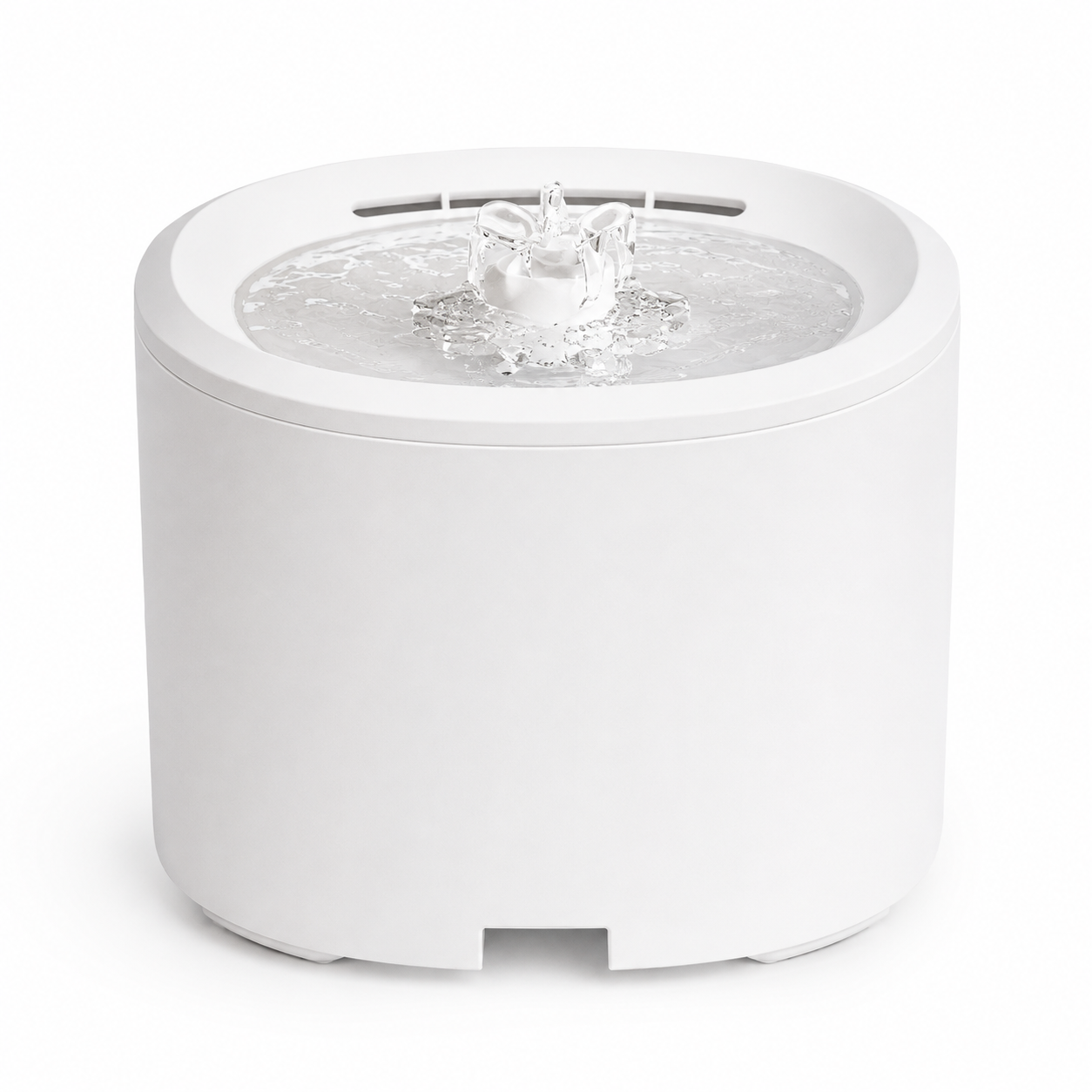
Two automatic pet water fountains can look almost identical in a supplier's catalogue. Both may have a similar water capacity, a compact design and a built-in filtration system, yet their quotations can be very different. Before choosing the cheaper offer, it is worth asking whether the two products actually have the same specifications.
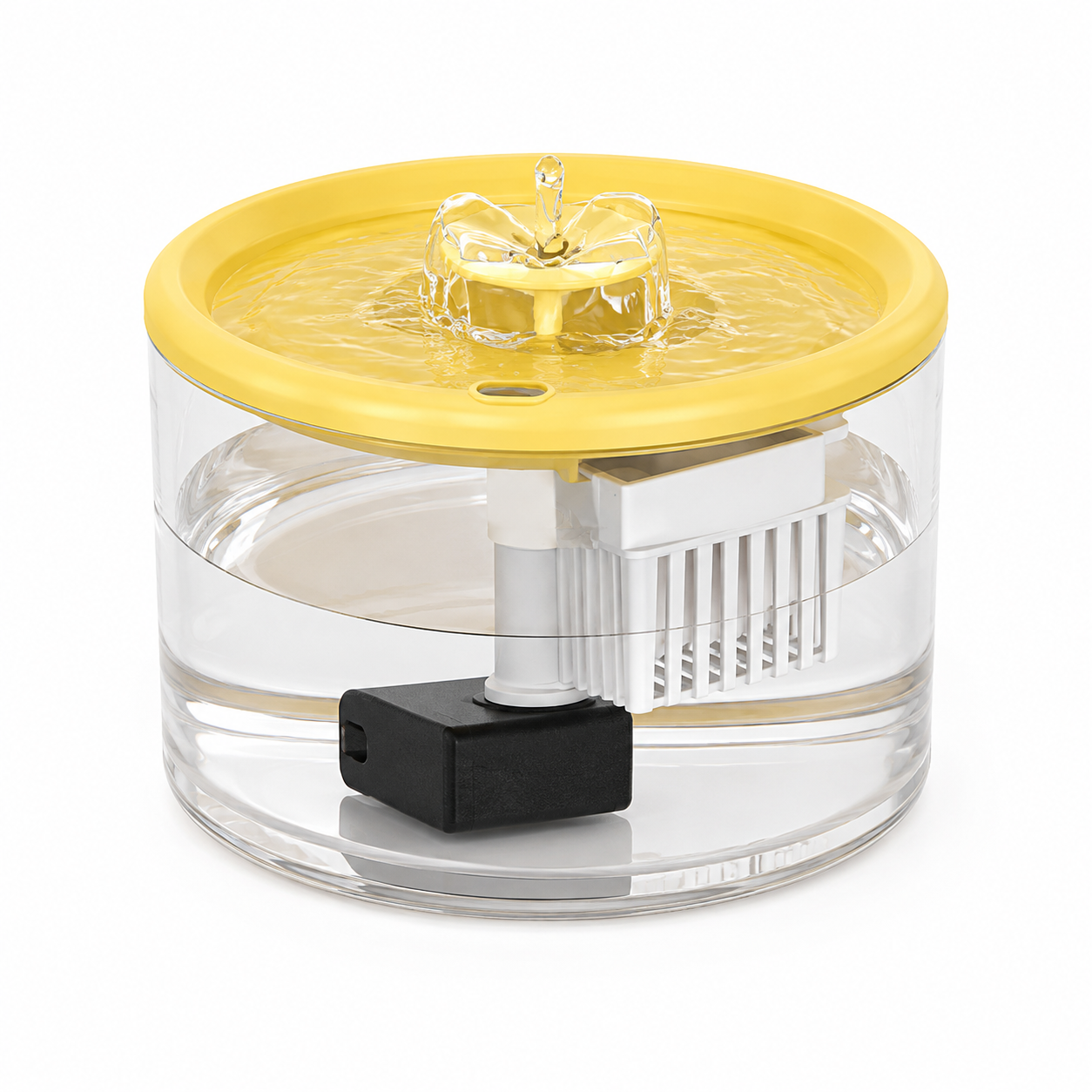
The pump, filter construction, power supply, materials, included accessories and replacement-part arrangements can all affect the price. Some differences are difficult to see in photographs but may influence customer experience and long-term costs. For pet brands, importers and distributors, comparing an automatic pet water fountain should begin with the full product configuration rather than the unit price alone.
Why Similar Pet Water Fountains Can Have Different Prices
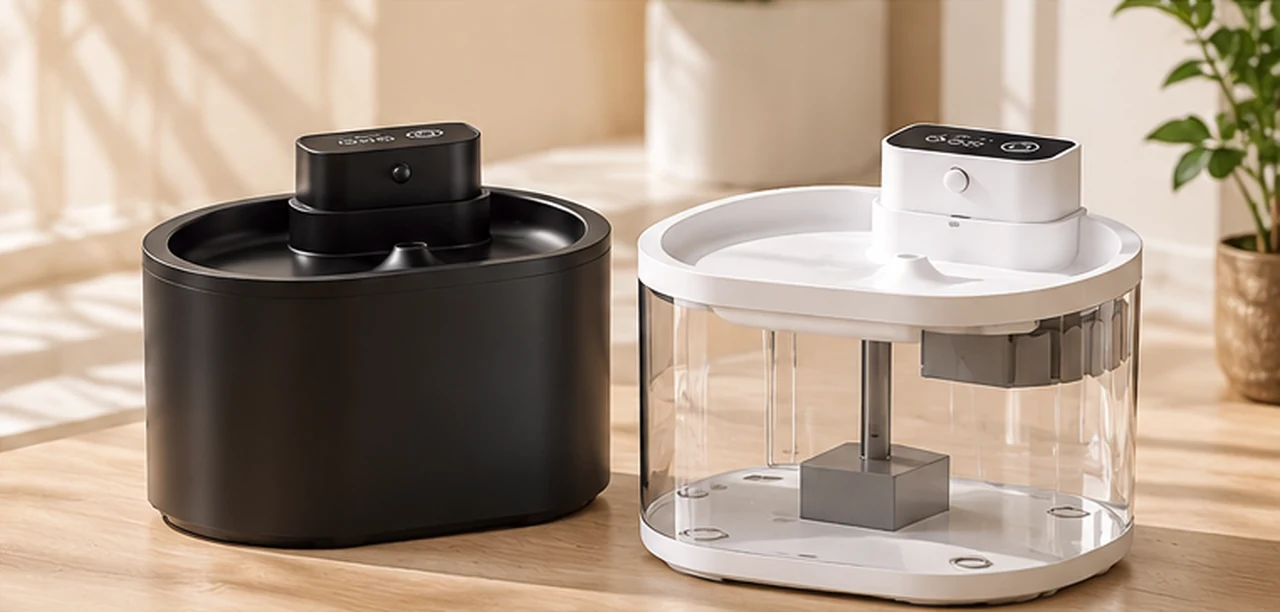
Imagine two fountains advertised with the same nominal tank capacity. One uses a basic pump and continuous circulation; another may include additional operating modes, low-water protection or a different power configuration. They may also have different filtration cartridges, cable arrangements or retail packaging. A supplier's price might include one replacement filter, while another supplier quotes the fountain with no spare filters.
I would clarify the specification before negotiating the price. Useful points to confirm include:
- Water tank capacity, contact materials and component configuration
- Pump model, rated power and available operating modes
- Filtration materials and the number of filters supplied
- Power cable, adapter and battery details, if applicable
- Low-water protection and other functions actually supported
- Packaging format, product instructions and included accessories
- Spare parts, warranty conditions, order quantity and delivery terms
These details allow buyers to compare equivalent products. The goal is not to choose the most expensive model; it is to understand what each quotation includes and whether the configuration meets the needs of the intended market.
Pump Noise and Performance: Ask How the Claim Was Tested
A supplier may describe its fountain as “ultra-quiet.” That sounds attractive for customers placing the product in bedrooms or living rooms, but the phrase does not explain how noise was measured. A fountain that seems quiet in a showroom may be more noticeable in a quiet room. Water level, the supporting surface and pump condition can also affect the sound.
When evaluating samples, I would operate competing models under comparable conditions: on stable surfaces, with water filled according to the instructions, and in the same environment. If the supplier offers a decibel measurement, ask for the testing distance and method. Listen for unusual vibration, rattling or changes in sound during normal operation rather than relying on an advertising claim alone.
Noise is only one part of pump performance. Stable water circulation, cleaning access, expected service life and the availability of compatible replacement pumps all deserve attention. For a brand planning repeat orders, spare-pump supply may be as important as the initial price.
Filtration: Look Beyond the Number of Layers
Many automatic pet water fountains are marketed with multilayer filtration. However, the number of layers alone does not prove that a filter removes a specific substance or performs better than another design. I would first ask what materials are used, how water passes through the cartridge, and whether any relevant filtration claims are supported by appropriate testing.
The practical details matter too. Can an owner remove and install the filter easily? What replacement schedule does the manufacturer recommend? Is the same cartridge available in future production batches? For a private-label brand, the fountain and its replacement filters should be considered together as a product system, not as unrelated purchases.
Imagine a customer who buys a fountain and needs a compatible filter several months later. If replacements are unavailable, the problem becomes an after-sales issue for the brand even when the fountain itself still works. Before the first wholesale order, discuss the replacement filter price, compatibility, packaging and supply arrangements.
Cleaning and Maintenance Affect Customer Experience
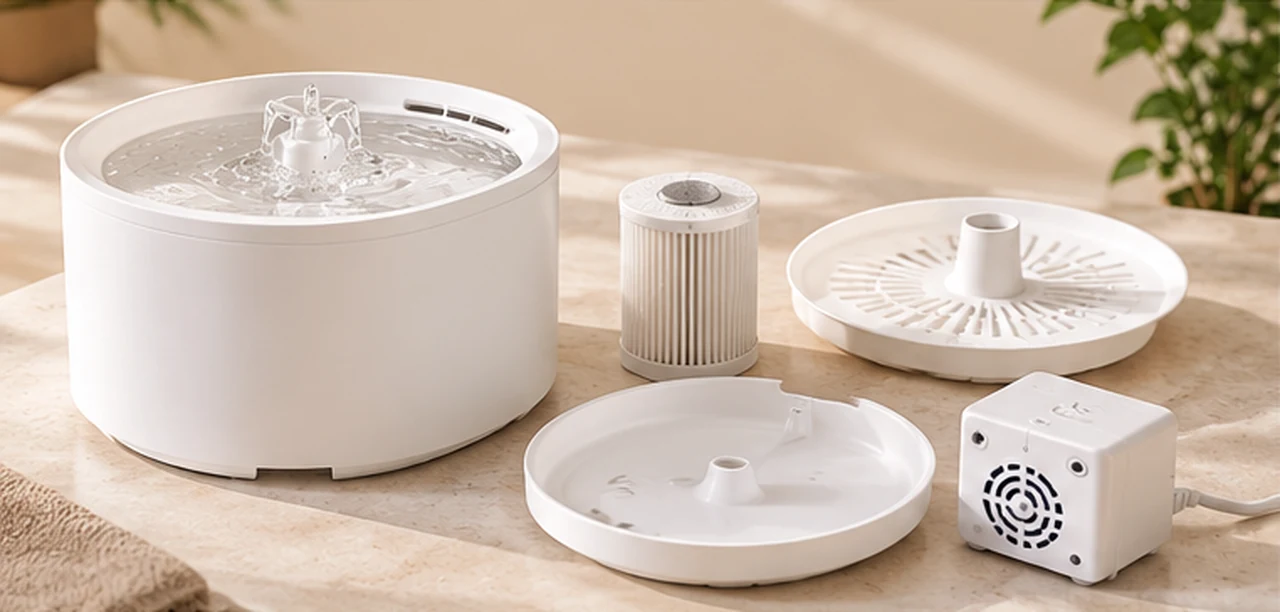
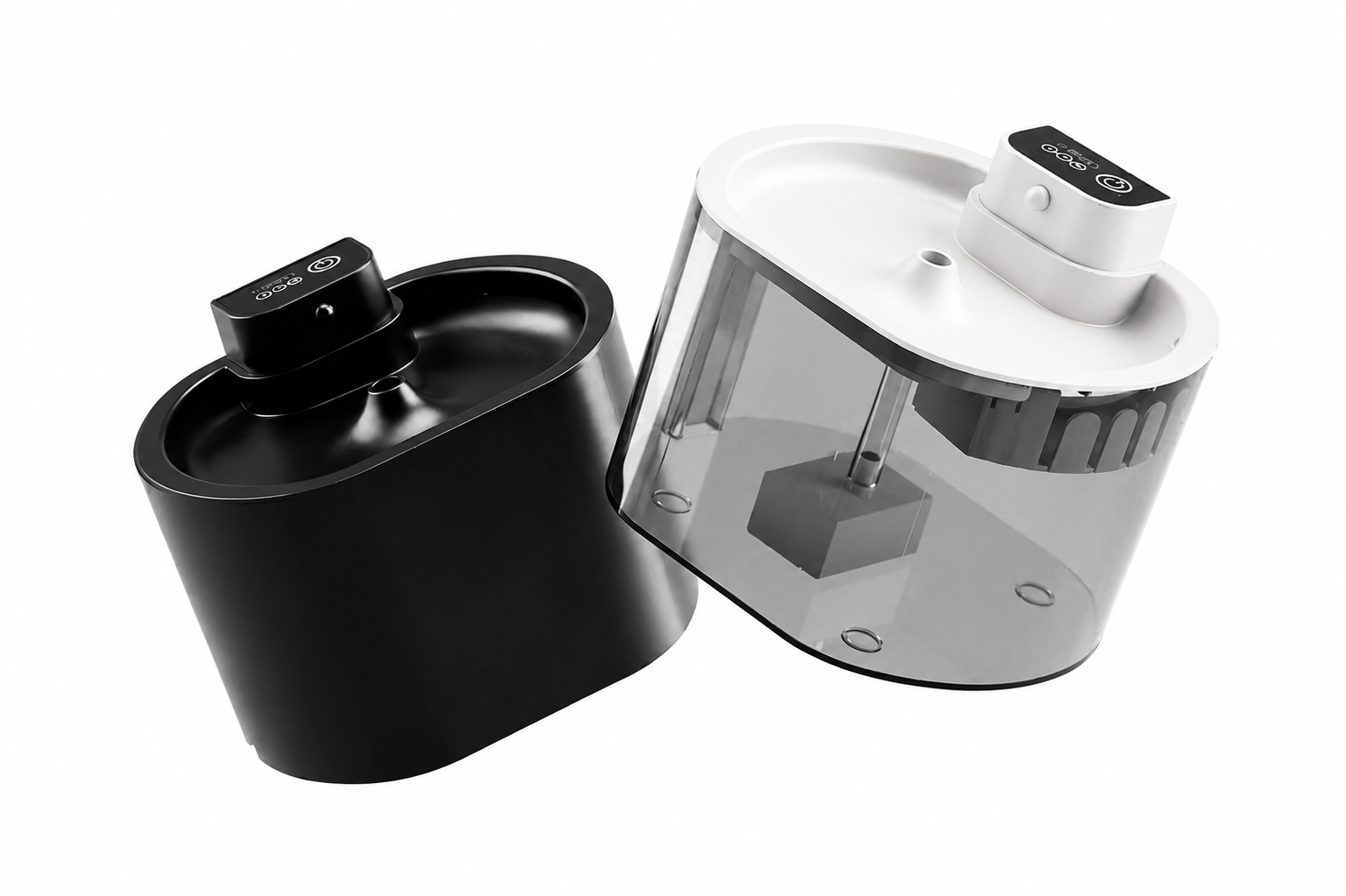
An attractive exterior does not guarantee that a fountain is easy to maintain. When reviewing a sample, I would examine how the water tank, drinking tray, filter holder and accessible pump components are assembled. Can they be removed and replaced without difficulty? Are there narrow channels where residue might accumulate? Does the cleaning procedure require special tools?
Cleaning instructions need to match the actual design. Electrical parts must be handled according to the manufacturer's guidance, and dishwasher compatibility should never be assumed. For online retailers, clear photographs or a short video of disassembly, cleaning and reassembly can help customers understand the effort involved before purchasing.
These questions are also relevant to OEM packaging. If the finished product will carry a private label, the brand should confirm the maintenance instructions and warnings before approving the artwork or user manual.
Power Configuration, Protection Features and Compliance
Pet water fountains may use an external wired supply, USB power, rechargeable batteries or sensor-controlled operation. Each configuration creates different requirements for accessories, instructions and testing. A wired model needs confirmed input and adapter specifications; a rechargeable model needs documented charging arrangements and runtime under stated conditions.
Low-water protection is a useful example of why buyers should verify features rather than assume them. If the supplier advertises automatic pump shutoff, ask how the function works and request the applicable testing procedure or results. The same principle applies to sensor operation and restart behavior following a power interruption. Testing should follow approved procedures, not potentially damaging improvised conditions.
Destination-market compliance also matters. Electrical, material and labeling requirements vary with the product configuration and market. A certificate or test report for one model should not automatically be treated as evidence for a modified version. Confirm which documents apply to the exact product under consideration.
Compare the Total Commercial Picture, Not Just Unit Price
The first-order price is only part of the cost of offering an automatic pet water fountain. Brands may also need compatible filters, spare pumps, packaging, freight, warranty support and a process for defective products. A lower-price model might still be a good choice, but only if the responsibilities and follow-up costs are understood.
For practical supplier comparison, I would prepare a single sheet showing each model's capacity and materials; pump and filtration specifications; power accessories and automatic features; replacement parts; packaging; inspection arrangements; MOQ; unit price; lead time; Incoterms; and destination. This keeps the conversation focused on the same requirements rather than different interpretations of a reference photo.
A distributor supplying several retailers may place more weight on repeat availability and after-sales terms, while a brand launching a small test range may prioritize sample approval and manageable opening quantities. There is no universally best configuration. The right comparison depends on the intended customers and sales plan.
A Practical Sample Evaluation Before Bulk Ordering
1. Confirm the sample configuration
Check the physical sample against the model and specification sheet. Record the actual accessories, filter quantity, adapter, materials and any advertised functions. Resolve any mismatch before making performance comparisons.
2. Observe normal operation
Assemble and operate the fountain according to its instructions. Observe the water flow, pump noise, vibration and any visible leakage under permitted conditions. If comparing suppliers, use the same evaluation environment wherever possible.
3. Review cleaning and reassembly
Follow the recommended cleaning procedure. Check how easily accessible parts can be removed, maintained and reinstalled, especially around the water channels and pump housing.
4. Verify advertised automatic functions
If the model offers low-water protection, sensor operation or rechargeable use, ask the supplier for supporting documentation and safe test methods. Record what is verified, what remains uncertain and what further testing may be needed.
5. Document findings and approval requirements
Take photos or short videos and write down observations. If something does not meet expectations, establish whether the issue concerns the design, an incorrect specification, misuse or a sample defect. Agree on corrective actions and acceptance criteria before production. This is a suggested evaluation process, not a claim that any specific Zhanzheng Pets product has already passed testing.
Preparing an OEM or Private-Label Water Fountain Project
A reference photo is a helpful starting point, but it rarely provides enough detail for an accurate quotation. Buyers should identify the target market, preferred design, capacity, materials, operating modes, electrical configuration, included filters and accessories. If customization is required, discuss logo position, colour options, instruction manuals, labels and packaging.
Estimated order quantity and delivery destination are also important. Some private-label changes may be possible with existing tooling, while structural or electrical changes can require development work and further testing. Clarifying these points early makes it easier to compare supplier offers and avoid repeated quotation revisions.
Frequently Asked Questions
What should I check when choosing an automatic pet water fountain supplier?
Compare the actual product configuration, including pump performance, filtration, materials, power requirements, cleaning arrangements and spare-part availability. Request appropriate samples and supporting documentation before production approval.
Why do wholesale prices for similar-looking pet water fountains vary?
Pump models, filter cartridges, accessories, packaging, customization, inspection requirements and order quantities can differ. Compare quotations only after confirming equivalent specifications and commercial terms.
Can an automatic pet water fountain be customized for my brand?
Depending on the model and supplier capabilities, branding options may include logos, colours, packaging and selected components. Changes to electronics or product structure may require additional development and compliance verification.
Should replacement filters be included in the first order?
That depends on the sales plan and supplier arrangements. For long-term product ranges, it is sensible to discuss replacement filter compatibility, pricing and availability before the first shipment.
What information should I send to request a quotation?
Send a reference model or photo, required features and specifications, target market, branding and packaging needs, estimated order quantity and delivery destination. The supplier may request further details before confirming final pricing.
Final Thoughts
Choosing an automatic pet water fountain is not simply a question of finding the lowest unit price. A clearer understanding of pumps, filtration, maintenance, electrical configuration and after-sales support makes it easier to select a product that fits the intended market.
At Zhanzheng Pets, we work with international pet brands, importers and distributors on pet product sourcing and OEM/ODM customization projects. If you are comparing water fountain suppliers or developing a private-label collection, share your reference designs, preferred specifications and expected purchasing requirements so we can discuss suitable sourcing options.
Explore our Feeding & Drinking Products or contact Zhanzheng Pets to discuss your requirements.