On This Page ⌄
Pet product packaging is no longer only about presentation and transportation. For brands and importers selling in Europe, packaging materials, technical information and regulatory responsibilities are becoming increasingly important. The EU Packaging and Packaging Waste Regulation (PPWR), Regulation (EU) 2025/40, began applying on August 12,
- It creates a common framework for packaging placed on the EU
market, covering topics such as substances of concern, recyclability, packaging design and extended producer responsibility (EPR).
For pet product businesses sourcing from overseas suppliers, two questions matter: which company is responsible for compliance, and what information should buyers obtain before approving packaging? Understanding the framework early can help reduce avoidable redesigns and improve sourcing decisions.
1. What Has Changed Under the EU PPWR?
The PPWR covers packaging throughout its lifecycle, from material selection and product protection to recycling and waste management. Although the regulation began applying in August 2026, some requirements will be introduced in stages.
Key dates include August 12, 2026, when the regulation began applying, including requirements concerning substances of concern and restrictions on PFAS in food-contact packaging; August 12, 2028, the scheduled start for harmonised consumer sorting labels, or 24 months after the relevant implementing acts enter into force, whichever is later; January 1, 2030, the scheduled start for harmonised design-for-recycling criteria, or 24 months after the relevant delegated acts enter into force, whichever is later; and January 1, 2035, the scheduled start for recycled-at-scale assessment, or five years after the relevant implementing acts enter into force, whichever is later.
An important distinction is that the general requirement for packaging placed on the EU market to be recyclable applies from August 12, 2026. The detailed harmonised design-for-recycling criteria and assessment methodology will follow later. Businesses should therefore begin reviewing packaging now, while checking the implementation date of each specific requirement.
2. Who Is Responsible for Packaging Compliance?
The PPWR distinguishes between manufacturers, importers and producers. These are separate legal roles, although one business may hold more than one role.
Manufacturer: A business may be considered the manufacturer when packaging or a packaged product is designed or manufactured under its own name or trademark. This is relevant to private label brands. For example, a European pet brand may buy packaging from a Chinese supplier and sell the packaged product under its own brand. The European brand may therefore have manufacturer responsibilities, even though another company physically produces the packaging.
Importer: An importer is generally a business that places packaging or packaged products from outside the EU on the European market. Importers have obligations to check applicable conformity assessment, documentation and packaging information. Buyers should identify which EU entity acts as importer and clarify who will maintain the relevant records.
Producer and EPR: A producer is generally the business that first makes packaging or packaged products available in the Member State where it is established, or directly to consumers in another Member State. Producers have Extended Producer Responsibility obligations, which can include contributing to the costs of collecting and recovering packaging waste. Registration and reporting should be checked country by country.
The PPWR provides certain flexibilities for small producers handling less than 10 tonnes of packaging per calendar year, but this is not a blanket exemption from every EPR obligation. Conditions and administrative arrangements depend on the Member State. Brands and importers should establish their roles before assigning compliance tasks to a supplier.
3. What Documents Should Buyers Request from Suppliers?

Manufacturers and importers have obligations concerning technical documentation, conformity declarations and packaging traceability. The Declaration of Conformity (DoC) must cover the requirements applicable to the packaging. At the current implementation stage, these include requirements concerning substances of concern, such as limits on lead, cadmium, mercury and hexavalent chromium, as well as PFAS restrictions for food-contact packaging.
For private label projects, the brand responsible under the regulation may need to prepare the required declaration even when another company physically manufactures the packaging. The supplier should be able to provide the technical information needed to support that process.
Before approving packaging, buyers should request: - A description of packaging materials and their composition. - Relevant test reports and supporting technical evidence. - Information about substances of concern and food-contact use, where applicable. - Packaging specifications, production details and manufacturer identification. - Batch, type or other traceability information linking the packaging to its documentation.
A general statement such as "environmentally friendly" is not a substitute for technical evidence. The PPWR requires packaging to be identifiable, for example through a type, batch or serial number and manufacturer contact details. Relevant information may be supplied through accompanying documents or digital means when it can be clearly linked to the packaging and its declaration.
4. Different Pet Products Have Different Packaging Challenges

Packaging should be assessed according to the product, its intended use and the destination market. A single material choice will not suit every pet product.
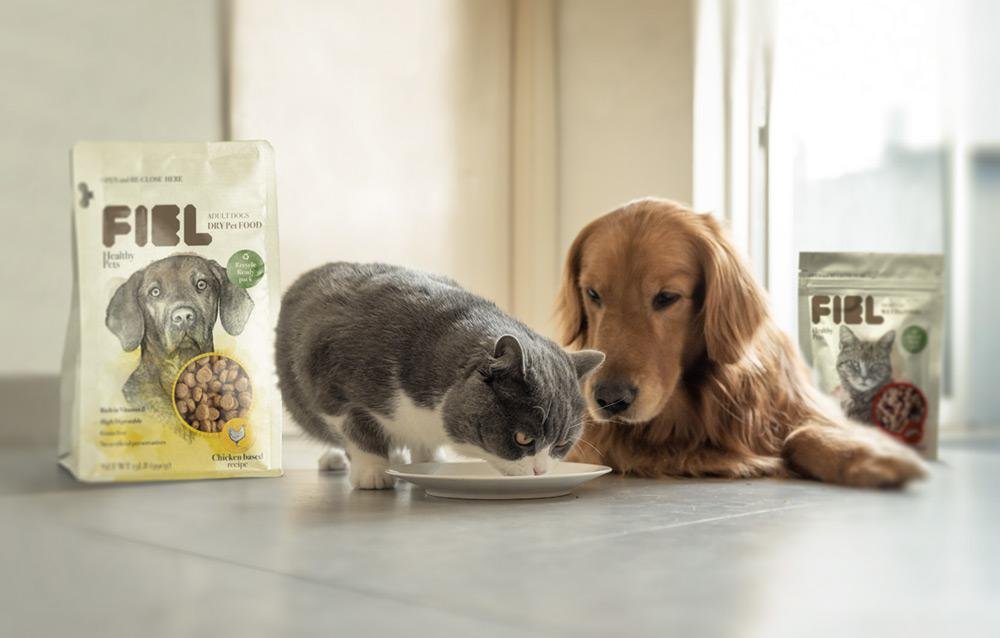
Pet food: Packaging must protect products from moisture, oxygen and other factors that can affect quality. Flexible pouches and multilayer films may provide useful barrier properties, but food-contact packaging requires particular attention to applicable PFAS restrictions. Any material change should be assessed for both compliance and product protection.
Pet accessories: Dog harnesses, collars, leashes and cat toys may use cardboard boxes, plastic bags, paper packaging or retail display packaging. Buyers should review the full packaging structure, including material combinations, product protection, packaging size and how different components can be separated.
Smart pet products: Automatic feeders, water fountains and other electronic devices need protection during storage and transportation. Inner inserts and outer cartons should be considered together. Reducing packaging material should not compromise protection against impact or shipping damage.
5. How Could PPWR Affect Packaging Costs?
Packaging changes can affect development and production costs. Moving from a multilayer package to a different material structure, for example, may require additional testing, new artwork or adjustments to production equipment. Other possible costs include sampling, material testing, technical documentation, printing changes and transportation adjustments.
There is no single cost increase that applies to all pet products. The impact depends on packaging format, materials, production processes and the requirements that apply to the product and market. Importers and private label brands should evaluate changes at product level rather than assuming every alternative material will cost more or less.
6. A Practical Checklist Before Ordering Pet Products
Before approving a packaging design or starting mass production, buyers should: 1. Confirm the destination market and identify the responsible business entities. 2. Request the complete packaging material composition. 3. Identify food-contact components, where applicable. 4. Obtain relevant test reports and technical documentation. 5. Agree who prepares and maintains the Declaration of Conformity. 6. Check packaging identification and traceability arrangements. 7. Review EPR registration and reporting obligations in each target country. 8. Assess product protection, packed dimensions and transportation requirements. 9. Record documentation and inspection responsibilities with the supplier.
For private label projects, discuss these points before finalising artwork and approving samples. Early coordination can reduce the risk of redesigns and unexpected costs after production has started.
Frequently Asked Questions
Does the EU PPWR apply to pet product packaging?
Yes. It covers packaging used to contain, protect, handle, deliver or present products placed on the EU market. This includes relevant packaging for pet food, accessories, toys and electronic pet products.
Does a Chinese supplier need to issue the Declaration of Conformity?
Not automatically. The responsible manufacturer or importer must meet the applicable legal obligations. The physical packaging supplier should provide the information and technical documentation needed to demonstrate compliance.
Is EPR the same as manufacturer responsibility?
No. Manufacturer responsibilities relate to packaging compliance, while producer responsibilities include EPR obligations for packaging waste. A business may hold more than one role depending on its activities and the Member State.
Does every pet product need fully recyclable packaging immediately?
The general recyclability requirement applies from August 12, 2026. Harmonised design-for-recycling criteria are scheduled for 2030 or later, while recycled-at-scale assessment is scheduled for 2035 or later. Businesses should distinguish between these implementation stages.
Are small pet brands exempt from EPR?
Not automatically. The PPWR provides flexibilities for certain small producers handling less than 10 tonnes of packaging annually, but the conditions and administrative arrangements depend on the relevant Member State.
Final Thoughts
The EU PPWR is changing how businesses approach packaging design, material selection and supply-chain coordination. For pet brands and importers, the task is not simply to choose packaging described as environmentally friendly. It is to understand the applicable requirements, identify the responsible business entities and obtain reliable technical information from suppliers.
Packaging should be considered during product development and international sourcing, not treated as an afterthought before production. Zhanzheng Pets supports brands, importers and distributors with pet product sourcing, OEM/ODM and private label discussions.
Planning a pet product project for the European market? Discuss your sourcing and packaging requirements with our team.
Sources and Further Reading
- [European Commission -- PPWR and Small Businesses: What Do I Need to
Know? (October 2026)](https://op.europa.eu/o/opportal-service/download-handler?format=pdf&identifier=482959c3-cc2d-11f1-8b4c-01aa75ed71a1&language=en&productionSystem=cellar)
- [European Commission -- Guidance Document for Regulation (EU)
2025/40](https://eur-lex.europa.eu/legal-content/EN/TXT/PDF/?uri=CELEX:52026XC03084)
- [European Commission -- Extended Producer Responsibility for
Packaging for Small Businesses](https://environment.ec.europa.eu/topics/waste-and-recycling/packaging-waste/extended-producer-responsibility-packaging-small-businesses_en)
- [EUR-Lex -- Regulation (EU)
2025/40](https://eur-lex.europa.eu/eli/reg/2025/40/oj)
- [European Commission -- PPWR Implementation and
Timeline](https://green-forum.ec.europa.eu/green-business/packaging-and-packaging-waste-regulation-implementation_en)
*This article provides general industry information and is not a substitute for legal advice. Businesses should confirm their obligations with the relevant authorities or qualified compliance professionals in their destination markets.*